FG-0063 · Wild Plants · 6 species
Identifying Trees in Virginia
By Derek Gauger · Updated
Overview
Virginia's forests run from Blue Ridge hardwood coves to piedmont oak-hickory and coastal-plain pine. A few leaf and bark clues quickly narrow down its common trees.
This guide covers common and iconic Virginia trees — how to tell them apart by leaf, bark, and habit. Pair it with a photo of the leaf or bark and the app to confirm any tree you find.
Key species to know
FG-0063.01
Flowering Dogwood
Cornus florida
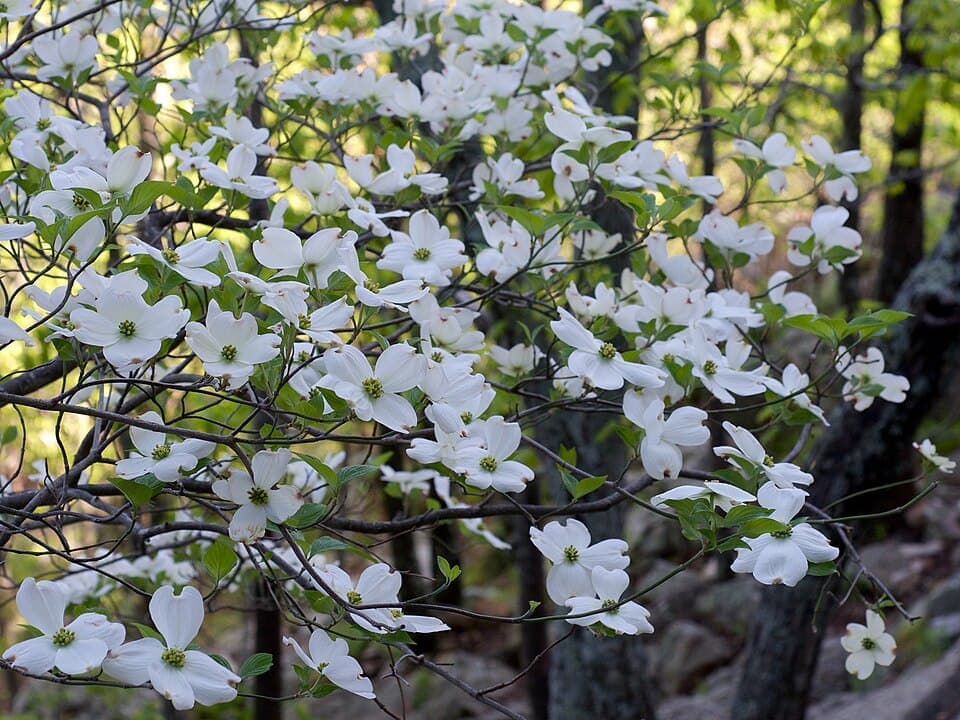
The Virginia state tree — a small understory tree with tiered branches, oval leaves, and showy white (occasionally pink) spring "flowers" that are actually bracts, followed by red berries.
Habitat: Forest understory and edges statewide.
FG-0063.02
Tulip Tree
Liriodendron tulipifera
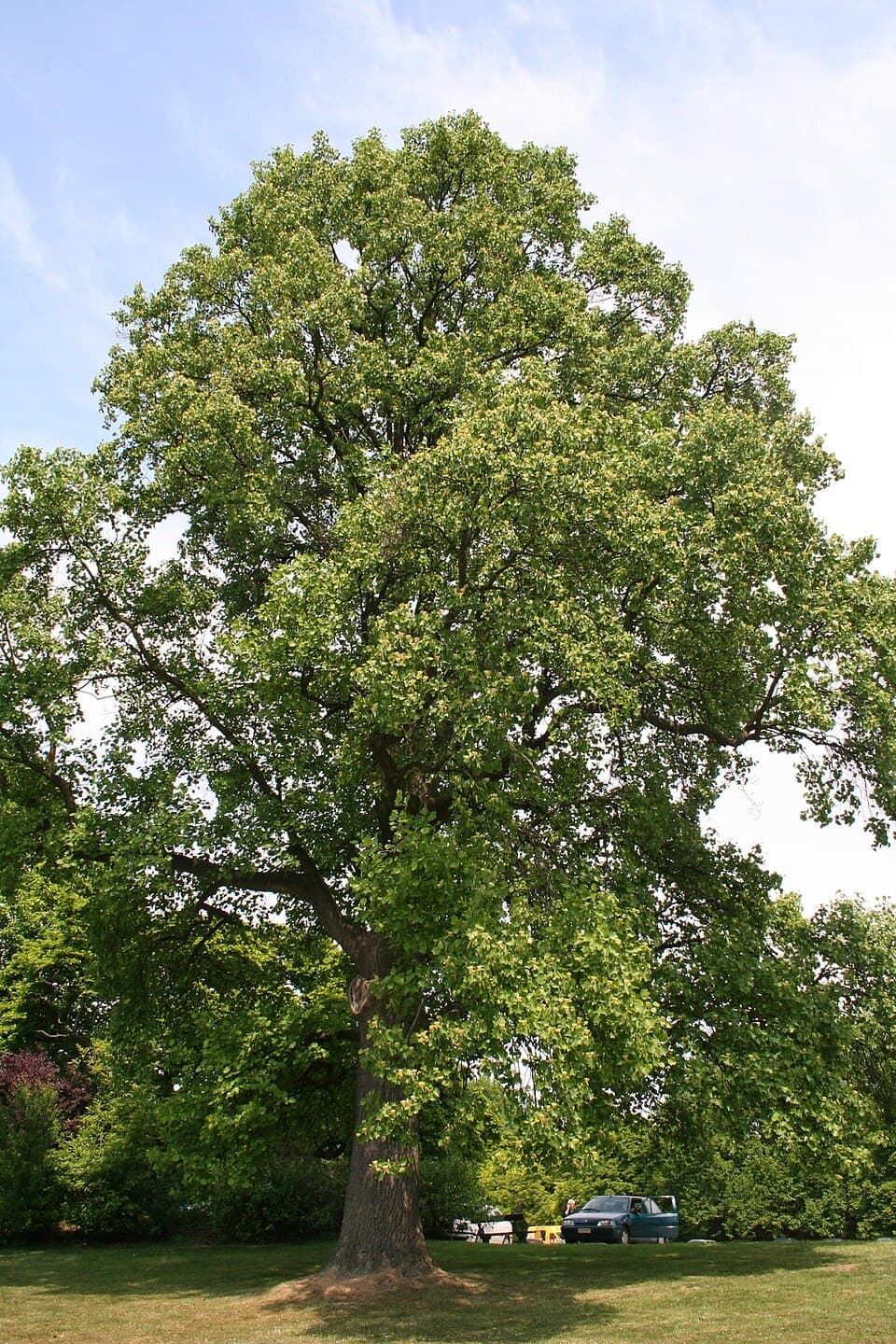
A very tall, straight hardwood with distinctive four-lobed "tulip"-shaped leaves and orange-and-green tulip-like flowers high in the crown.
Habitat: Rich coves, moist slopes, and second-growth forest.
FG-0063.03
White Oak
Quercus alba
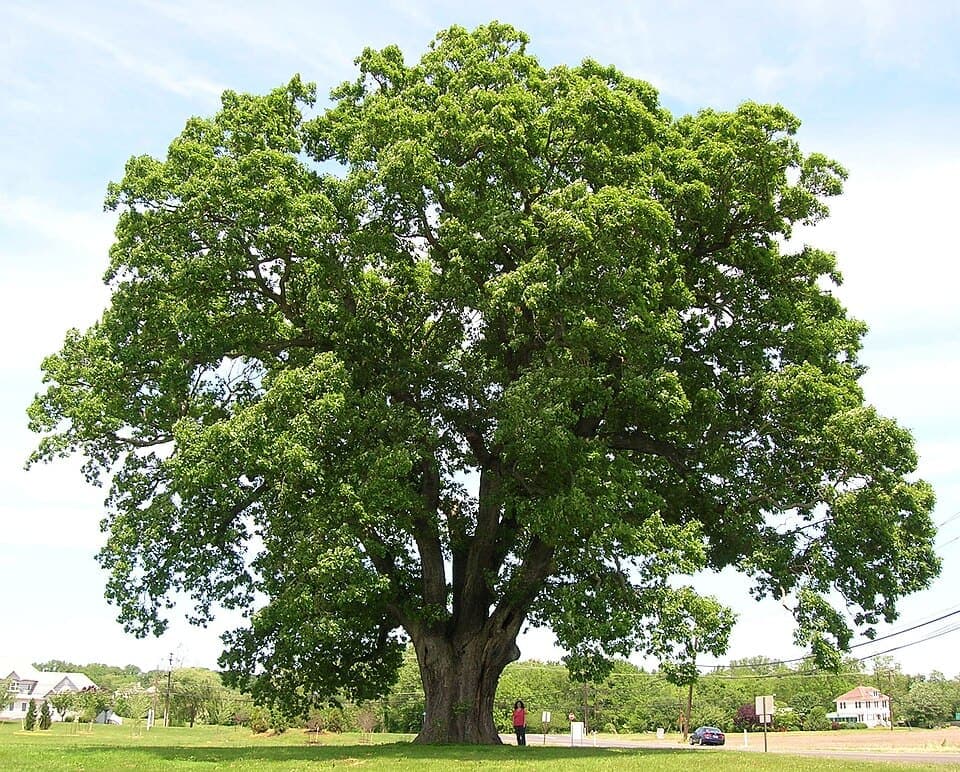
A stout oak with rounded-lobed leaves (no bristles) and pale, flaky gray bark. Long-lived and a mainstay of Virginia ridges.
Habitat: Upland forests, ridges, and parks.
FG-0063.04
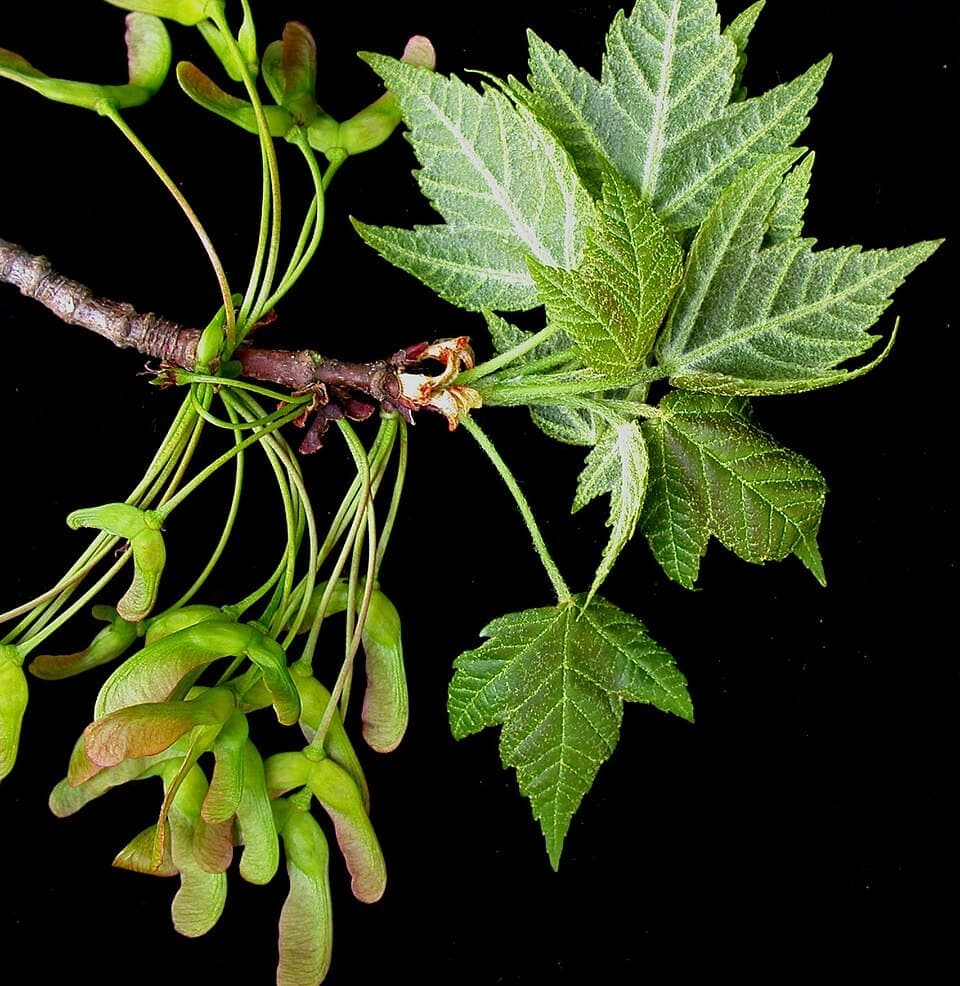
Red Maple
Acer rubrum
An adaptable maple with three-to-five-lobed toothed leaves, red twigs and buds, and reliably scarlet fall color. Red flowers appear before the leaves.
Habitat: Swamps, uplands, and disturbed woods statewide.
FG-0063.05
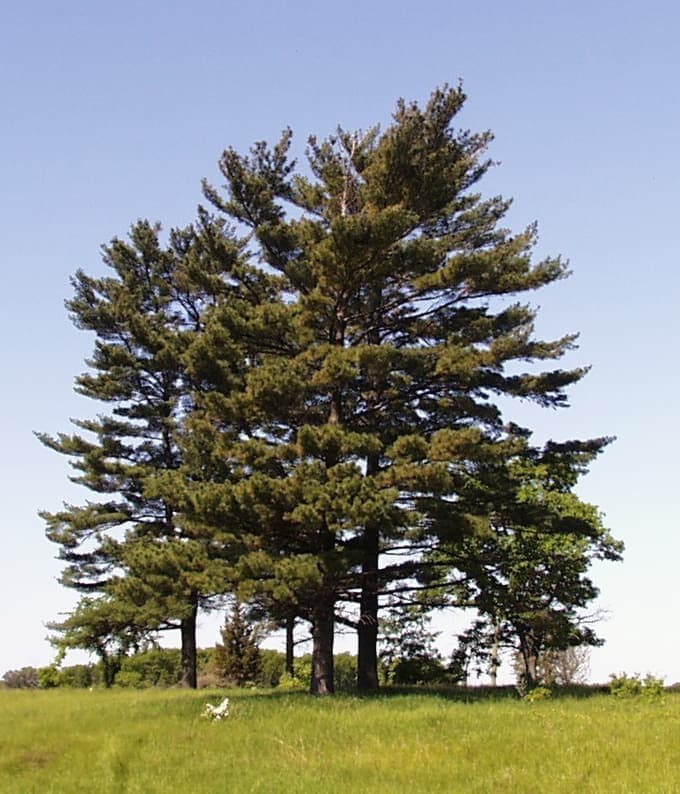
Eastern White Pine
Pinus strobus
A tall, soft-needled pine with needles in bundles of five and long, slender cones. Common in the mountains and piedmont.
Habitat: Mountain and piedmont forests and old fields.
FG-0063.06
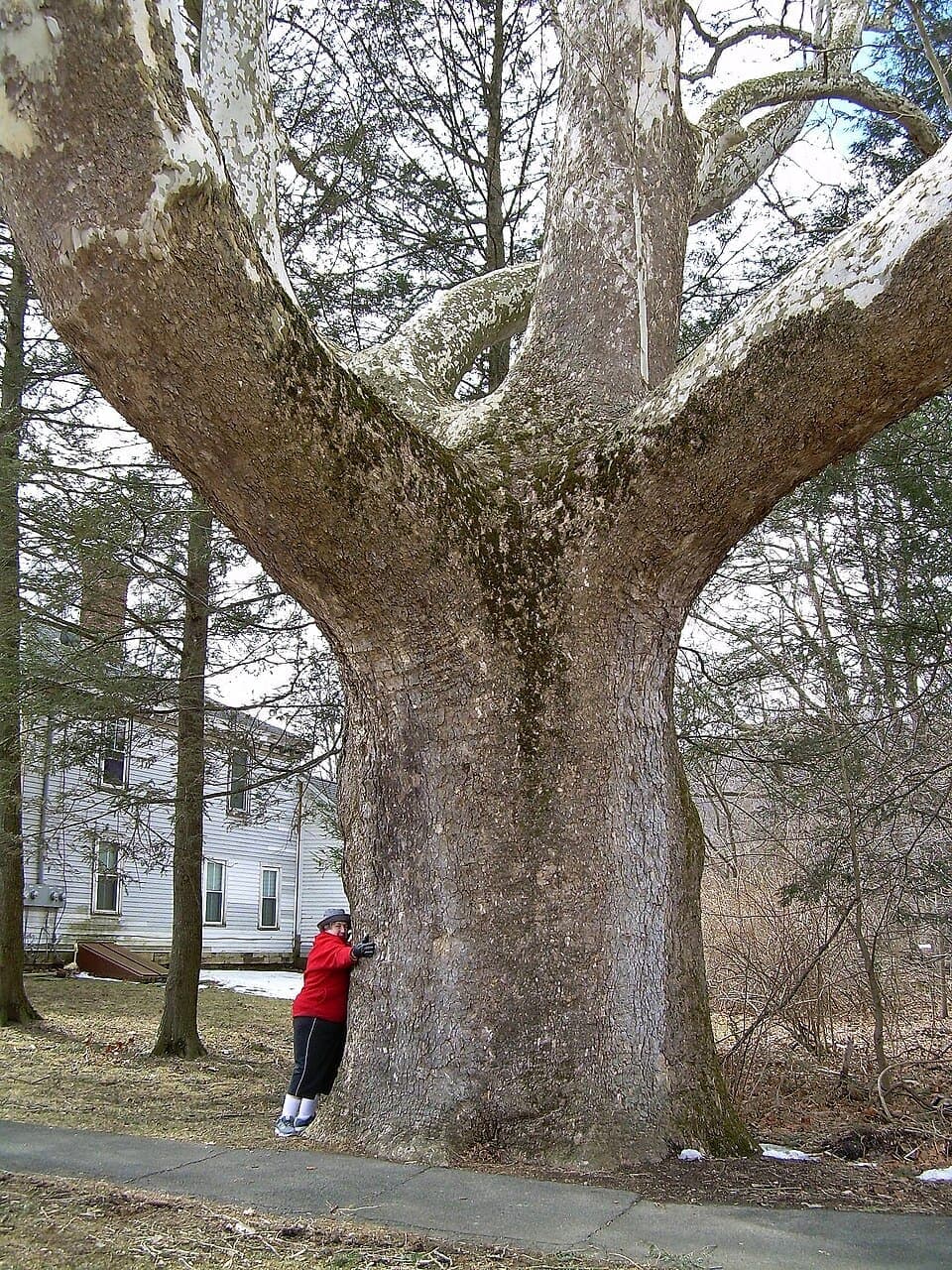
American Sycamore
Platanus occidentalis
A huge riverside tree with broad, maple-like leaves and unmistakable mottled bark that flakes to creamy-white on the upper trunk and limbs.
Habitat: River banks, floodplains, and bottomlands.
Through the seasons
- Spring: dogwood blooms across the understory before the canopy leafs out.
- Fall: red maple, tulip tree, and oaks carry the color across the Blue Ridge.
- Winter: pale flaky white-oak bark and creamy sycamore bark are easy to pick out.
Questions
- What is the state tree of Virginia?
- The flowering dogwood — a small understory tree whose white spring bracts are also the state flower.
- How can I identify a tree in Virginia?
- Note the leaf shape, bark, and overall form, then take a photo of the leaves or bark and use an app like Spotter to confirm the species.
From Field Notes
Not sure what you found?
Take a photo with Spotter for the name, field marks, look-alikes and safety notes in seconds.


In this guide
- Species
- 6
- Region
- Virginia