FG-0066 · Wildflowers · 6 species
Wildflowers of Michigan
By Derek Gauger · Updated
Overview
Michigan's wildflower year opens with spring ephemerals blanketing the hardwood forest floor, then shifts to prairie and wetland flowers through summer. Its woods, dune country, and wet meadows each have their own signature blooms.
This guide covers common and iconic Michigan wildflowers — how to recognize them and when they bloom. Photograph the flower and leaves and use the app to confirm any bloom you find.
Key species to know
FG-0066.01
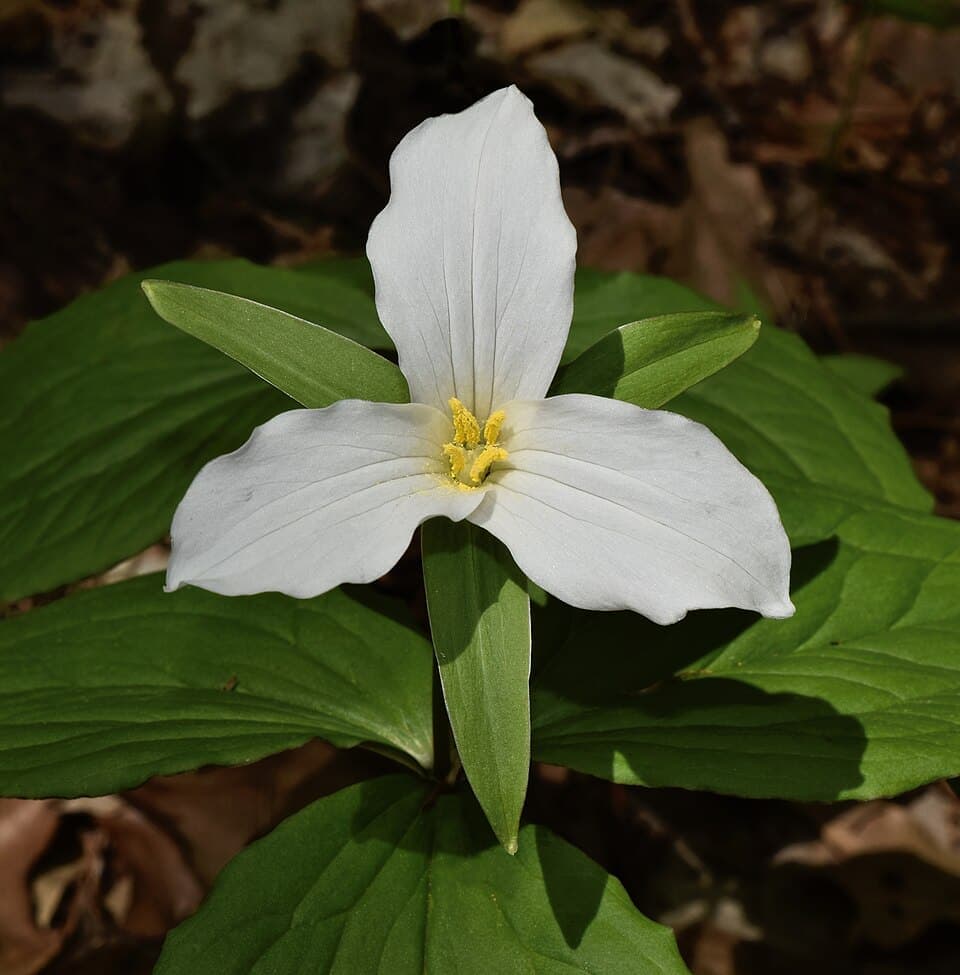
Large-flowered Trillium
Trillium grandiflorum
April–May
A spring-woodland classic with three broad white petals above a whorl of three leaves, fading to pink with age. Forms sweeping colonies on the forest floor.
Habitat: Rich deciduous woods and shaded slopes.
Trilliums are slow-growing and easily killed by picking — enjoy them in place and do not pick or dig.
FG-0066.02
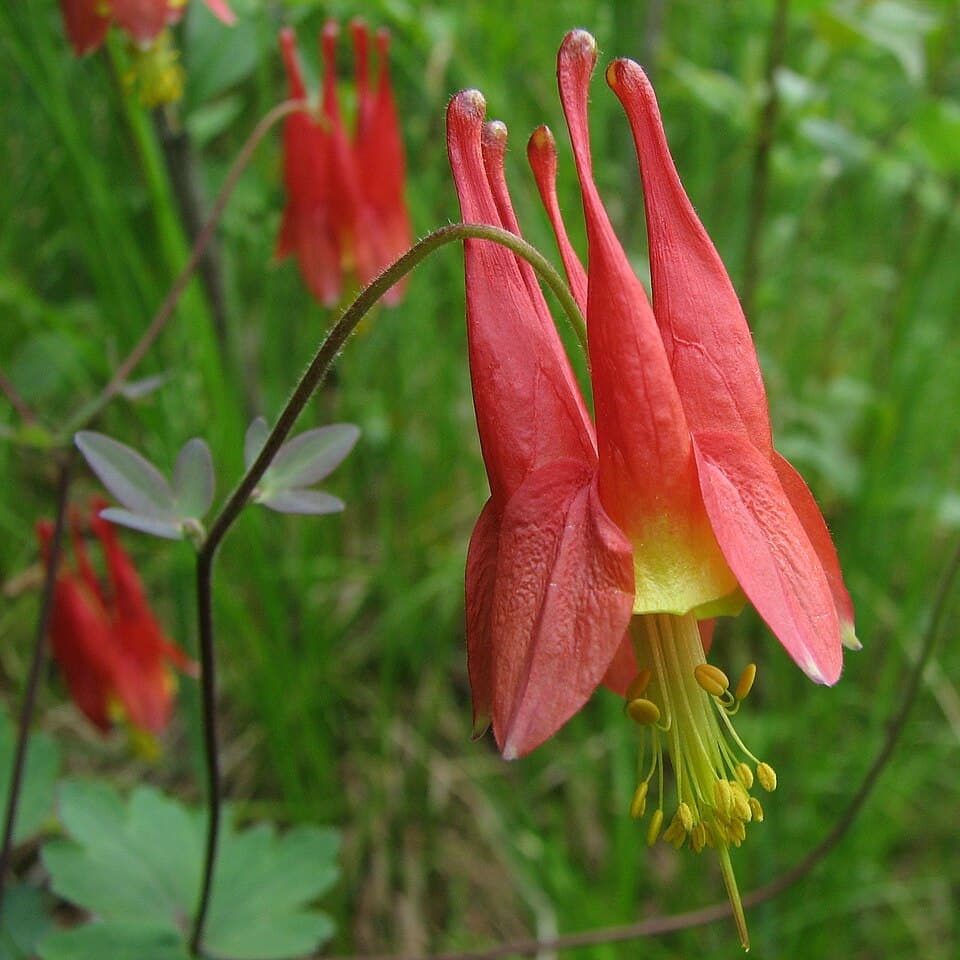
Wild Columbine
Aquilegia canadensis
April–June
Nodding red-and-yellow flowers with backward-pointing spurs, dancing on thin stems over lacy leaves. A hummingbird favorite of rocky woods.
Habitat: Rocky woods, ledges, and shaded slopes.
FG-0066.03
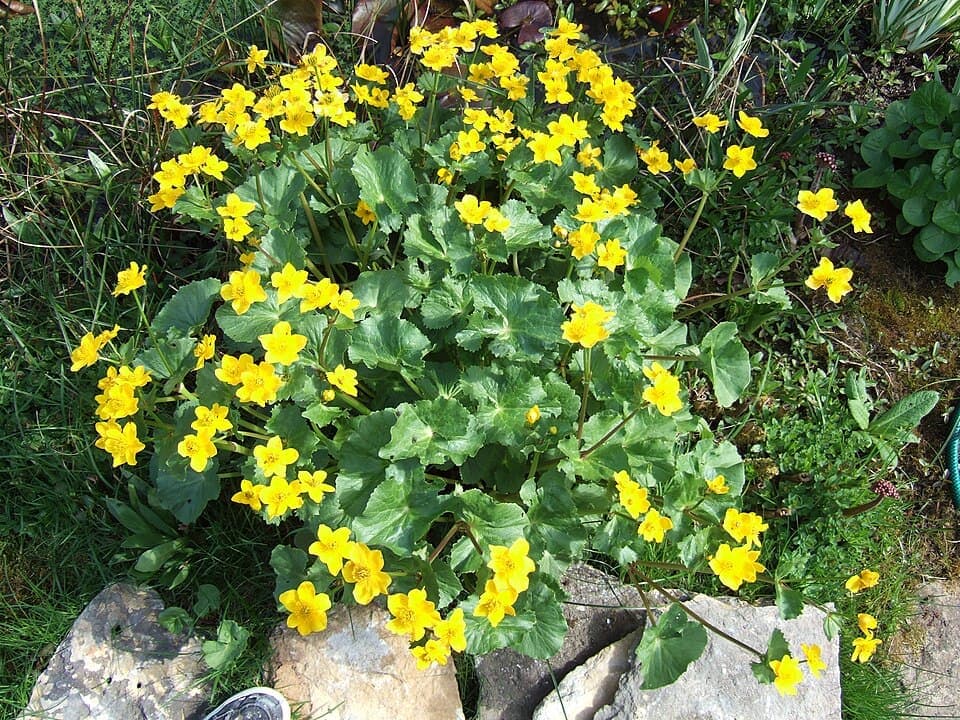
Marsh Marigold
Caltha palustris
ToxicApril–May
Glossy, buttercup-yellow flowers over rounded, kidney-shaped leaves, lighting up wet ground in early spring. Often grows in shallow water.
Habitat: Marshes, wet woods, and stream edges.
Toxic and irritating when raw. Do not eat any part.
FG-0066.04
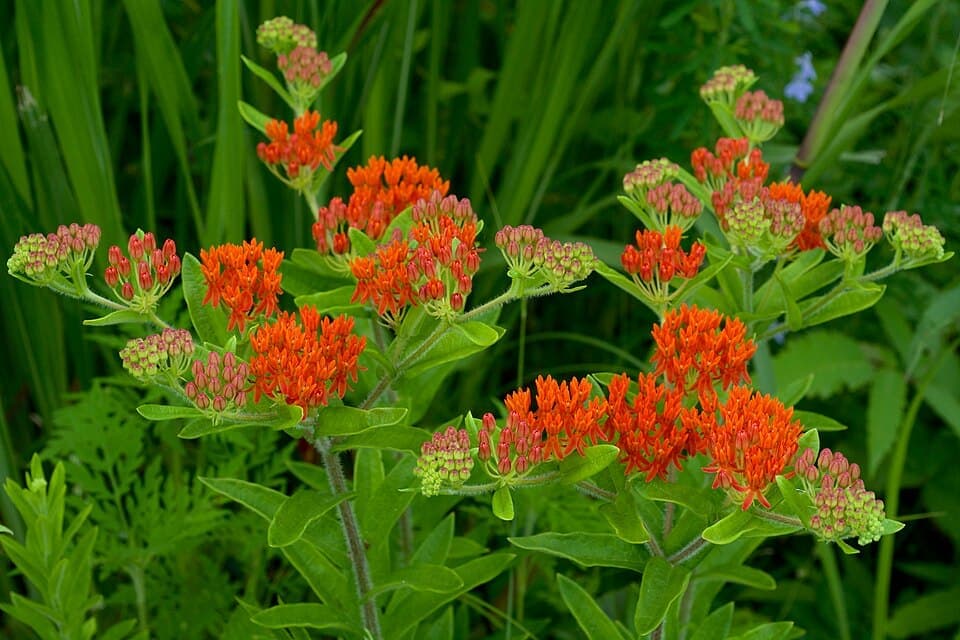
Butterfly Weed
Asclepias tuberosa
ToxicJune–August
A milkweed topped with flat clusters of brilliant orange flowers, swarming with butterflies in summer. Unlike most milkweeds, its sap is not milky.
Habitat: Dry prairies, dunes, and open fields.
Milkweeds are toxic if eaten. Enjoy in place and do not consume.
FG-0066.05
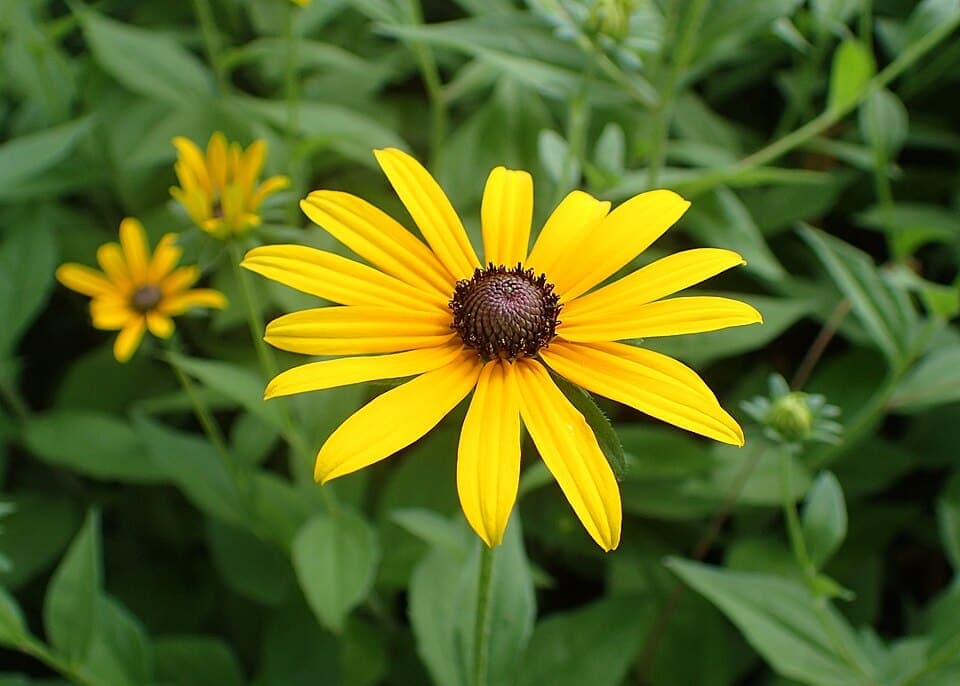
Black-eyed Susan
Rudbeckia hirta
June–September
A familiar daisy with golden-yellow rays around a dark brown dome, common in meadows and prairies. Bristly stems and leaves.
Habitat: Fields, prairies, and roadsides.
FG-0066.06
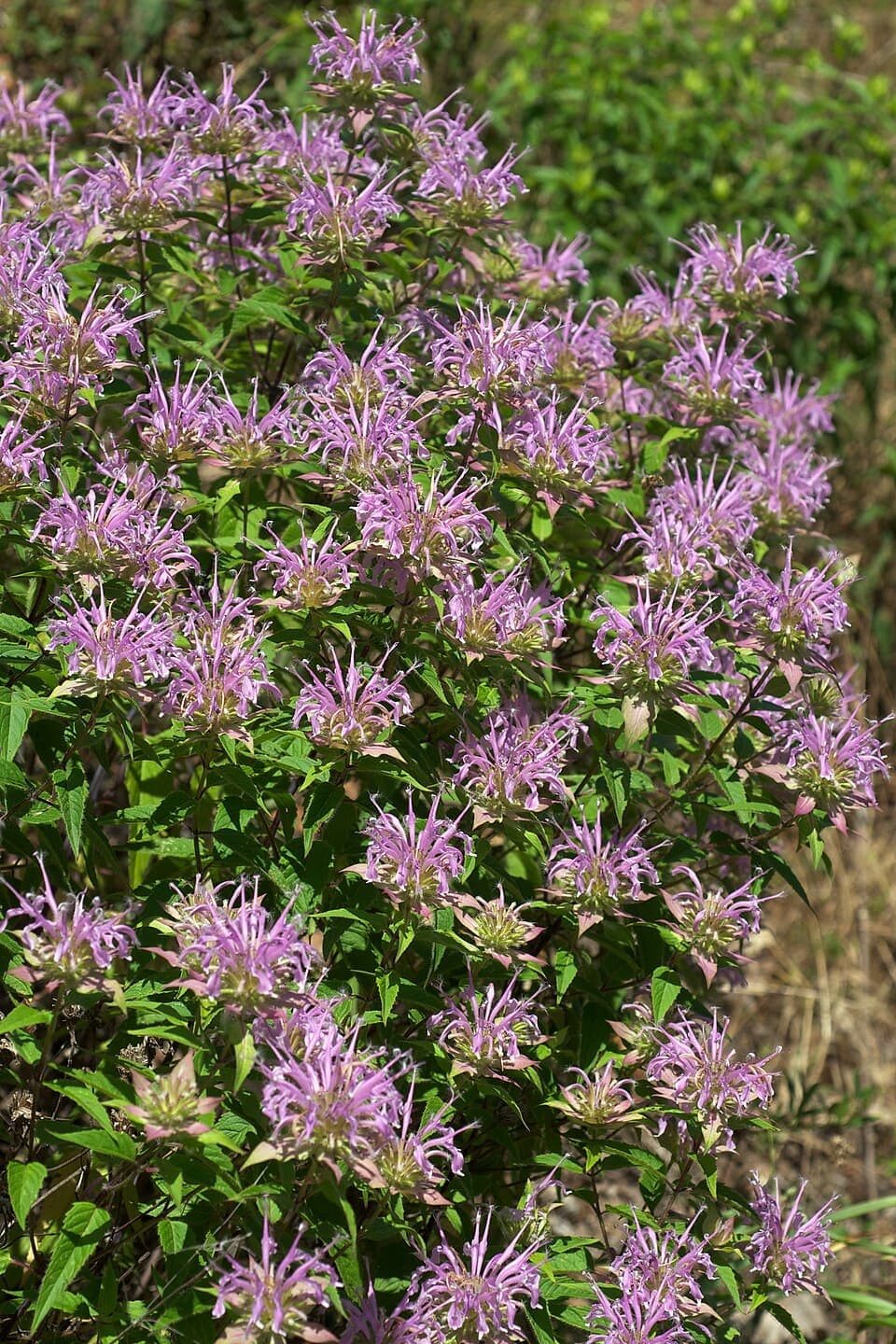
Wild Bergamot
Monarda fistulosa
July–September
A mint-family wildflower with ragged, lavender pom-pom flower heads and a minty scent, humming with bees and hummingbirds in summer prairies.
Habitat: Prairies, meadows, and open woodland edges.
Through the seasons
- April–May: spring ephemerals — trillium, marsh marigold, columbine — carpet the woods before the canopy closes.
- June–August: prairie and dune flowers like butterfly weed and bergamot peak.
- Fall: asters and goldenrods close out the season in the meadows.
Questions
- When do Michigan wildflowers bloom?
- Spring ephemerals like trillium peak in April and May, prairie and wetland flowers dominate June through August, and asters and goldenrods finish the season in fall.
- Can I pick trilliums in Michigan?
- It is strongly discouraged — trilliums grow very slowly and picking the flower can kill the plant. Enjoy and photograph them in place, and use an app like Spotter to identify them without disturbing anything.
From Field Notes
- How to Identify Wildflowers on the Trail: A Practical Guide
- What Is the Tall Pink-Purple Wildflower Buzzing With Butterflies in Late Summer? Identifying Joe-Pye Weed
- What Is the Purple Daisy-Like Wildflower Blooming in Fall? Identifying Asters
- What Is the Weed With Big White Trumpet Flowers and Spiky Seed Pods? Identifying Jimsonweed
Not sure what you found?
Take a photo with Spotter for the name, field marks, look-alikes and safety notes in seconds.


In this guide
- Species
- 6
- Edible
- 0
- Toxic
- 2
- Region
- Michigan