FG-0049 · Wildlife · 6 species
Identifying Common Birds of Colorado
By Derek Gauger · Updated
Overview
Colorado's birdlife shifts dramatically with elevation, from eastern-plains grassland species to alpine and montane forest birds high in the Rockies. That vertical range packs a lot of variety into one state.
This guide covers common and iconic Colorado birds — the field marks that identify them, their habitats, and where to look. Pair it with a photo and the app to confirm any bird you spot.
Key species to know
FG-0049.01
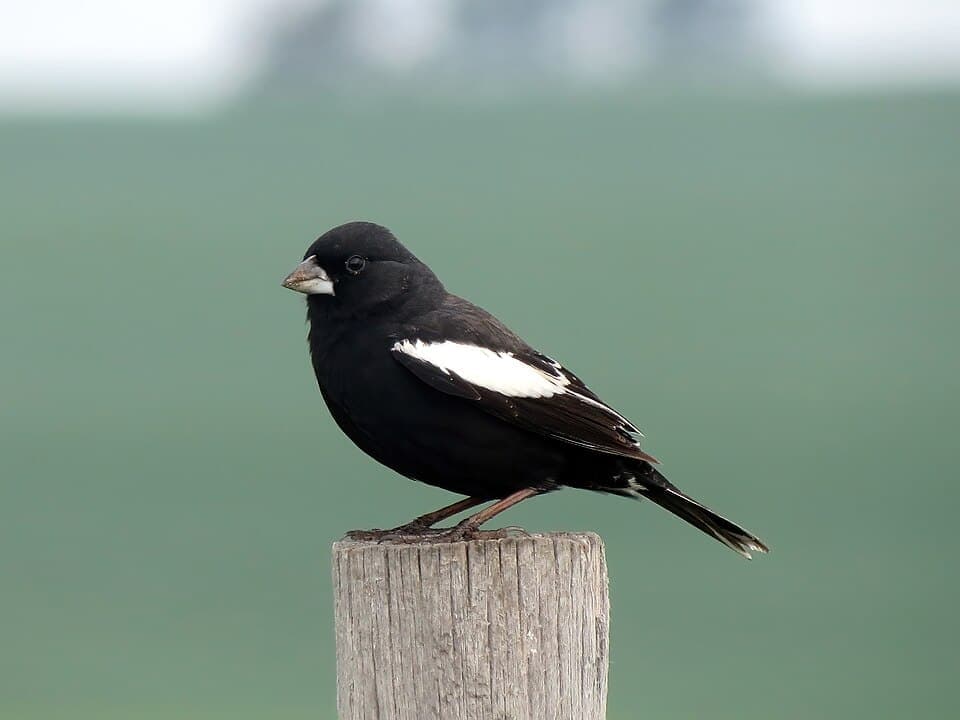
Lark Bunting
Calamospiza melanocorys
Colorado's state bird — the breeding male is black with a bold white wing patch, the female streaky brown. A songbird of the shortgrass plains.
Habitat: Shortgrass prairie and grassland on the eastern plains.
FG-0049.02
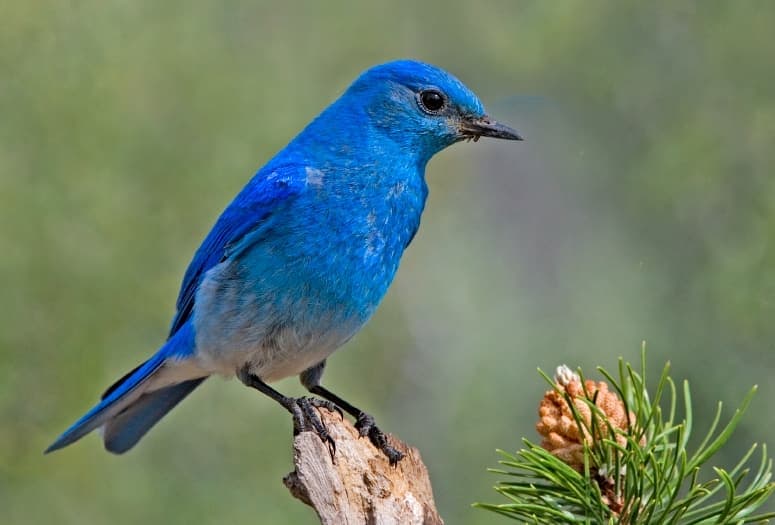
Mountain Bluebird
Sialia currucoides
The male is an astonishing sky-blue all over, the female gray with blue wings and tail. Hovers over meadows to drop on insects.
Habitat: Open montane meadows, foothills, and grassland.
FG-0049.03
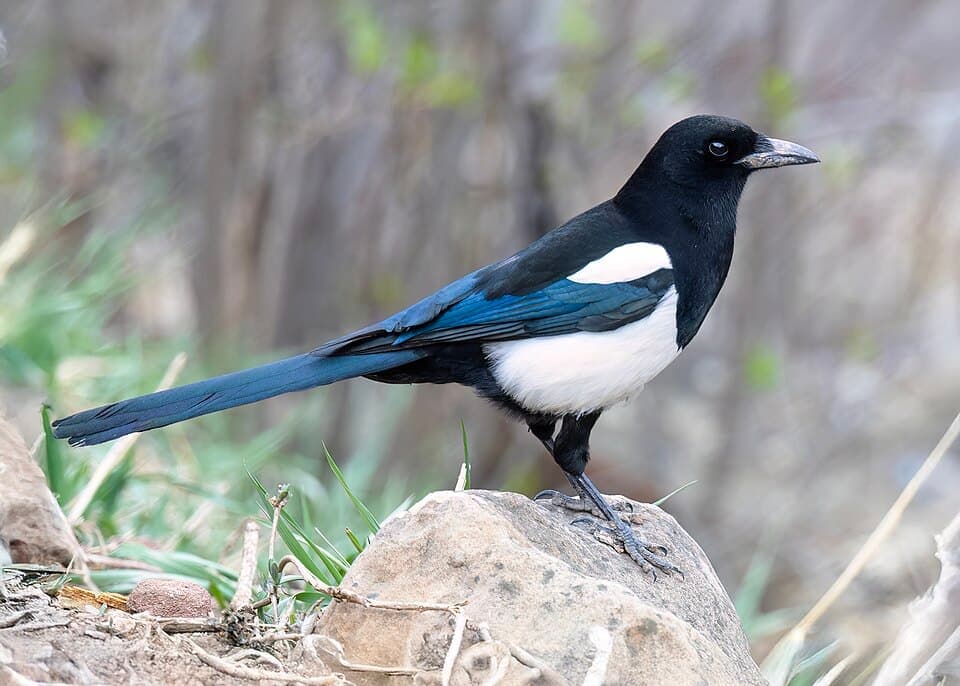
Black-billed Magpie
Pica hudsonia
A large, unmistakable black-and-white bird with a very long iridescent tail. Bold and social around ranches, towns, and roadsides.
Habitat: Open country, foothills, and towns.
FG-0049.04
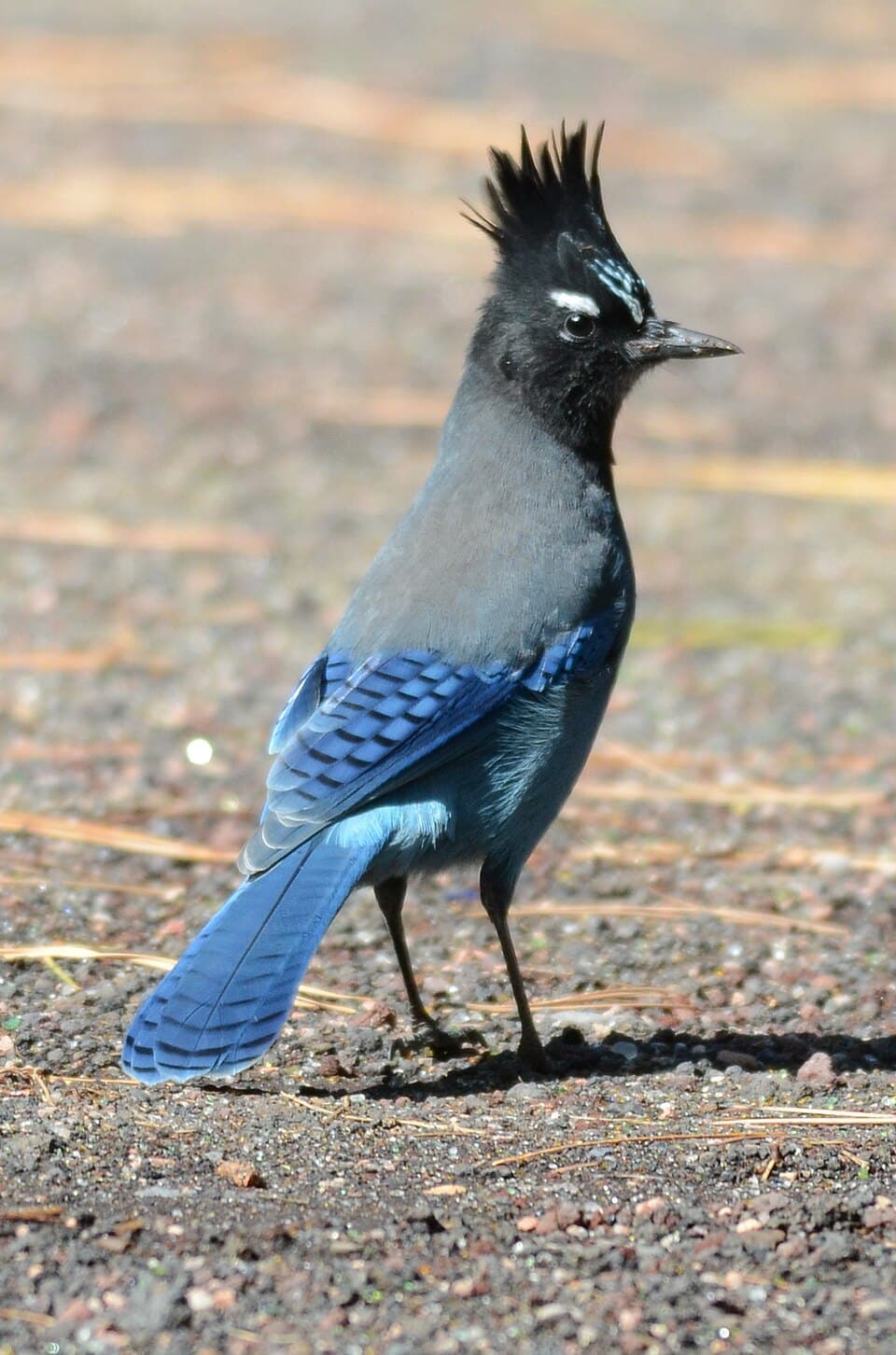
Steller's Jay
Cyanocitta stelleri
A charcoal-and-deep-blue crested jay of the mountain conifers, bold around campgrounds and picnic areas. Loud and curious.
Habitat: Montane coniferous and mixed forests.
FG-0049.05
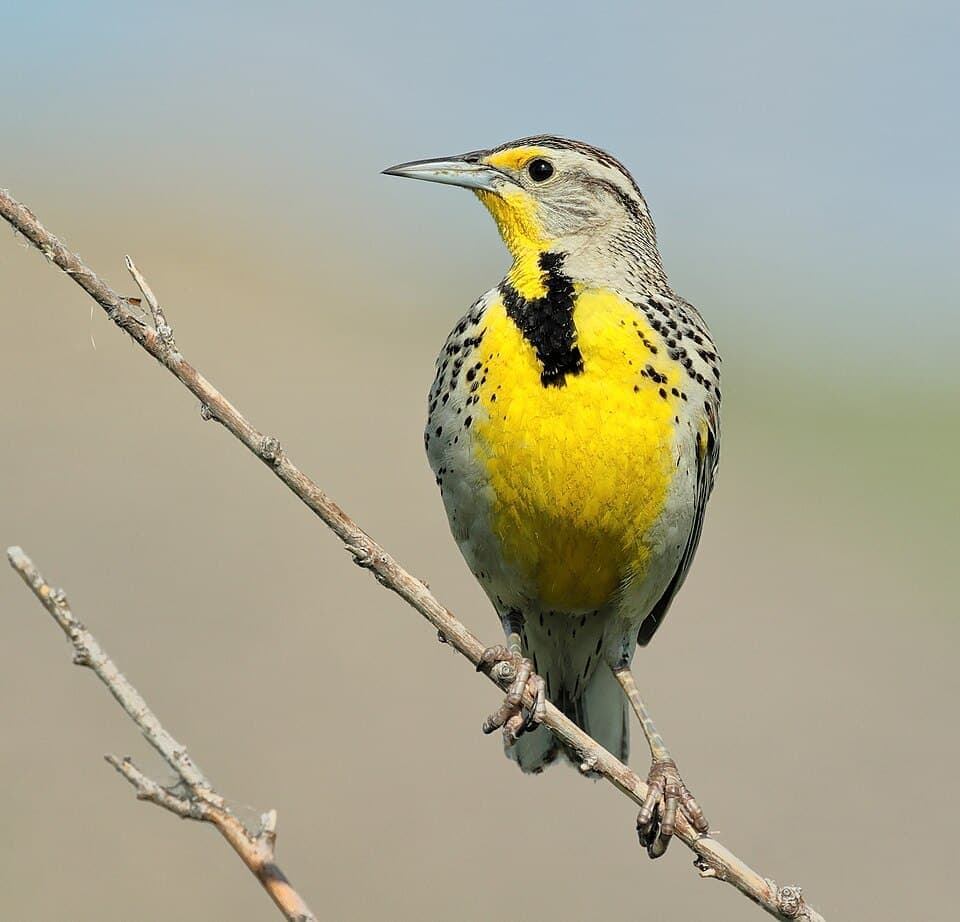
Western Meadowlark
Sturnella neglecta
A chunky grassland bird with a bright yellow breast crossed by a black V, singing a rich, flute-like song from fence posts.
Habitat: Grasslands, meadows, and agricultural fields.
FG-0049.06
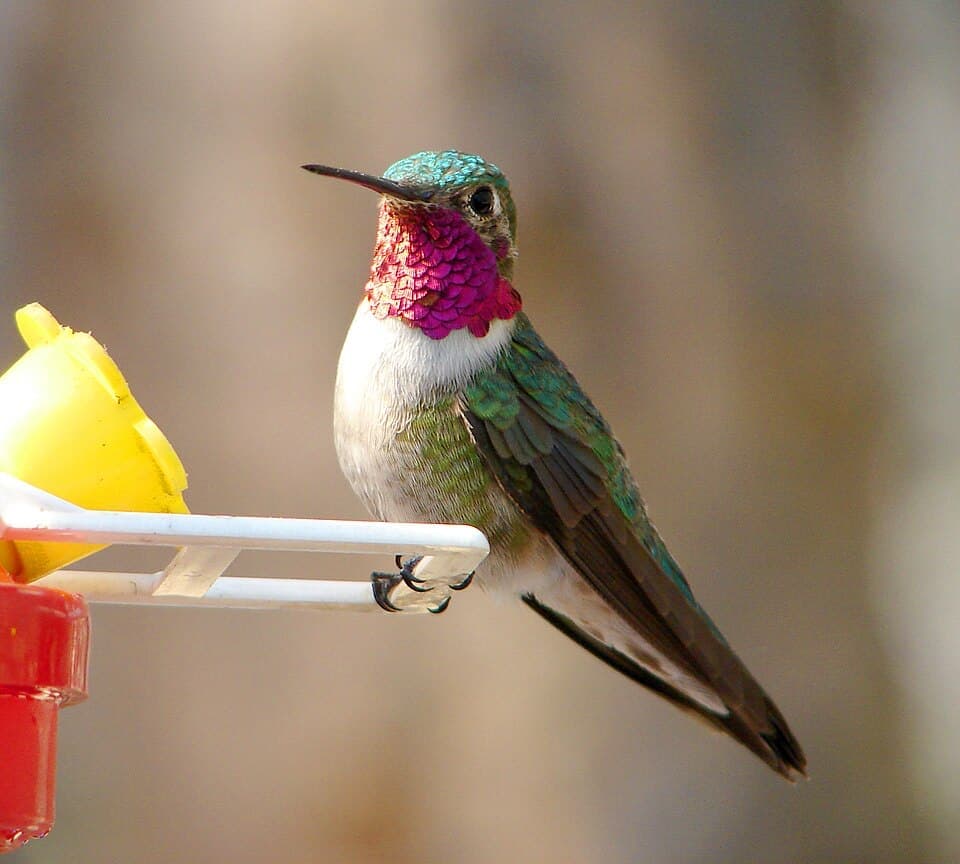
Broad-tailed Hummingbird
Selasphorus platycercus
A montane hummingbird; the male shows a rose-magenta throat and makes a distinctive metallic wing-trill in flight. Common at mountain flowers in summer.
Habitat: Montane meadows, open forest, and gardens.
Through the seasons
- Summer is best in the high country as montane and alpine breeders sing and nest.
- Early morning is the most active time for feeding and song.
- Winter pushes many mountain birds down to the foothills and feeders.
Questions
- What is the state bird of Colorado?
- The lark bunting — a plains songbird whose breeding males are black with striking white wing patches.
- How can I identify a bird I saw in Colorado?
- Note its size, shape, and field marks, then take a photo and use an app like Spotter to identify the species along with its habitat and range.
From Field Notes
Not sure what you found?
Take a photo with Spotter for the name, field marks, look-alikes and safety notes in seconds.


In this guide
- Species
- 6
- Region
- Colorado