
FG-0074 · Rocks & Minerals · 6 species
Rocks and Minerals of Colorado
By Derek Gauger · Updated
Overview
Colorado's mountains hold a legendary mineral heritage, from the gold and silver that built the state to world-class crystal specimens of rhodochrosite, amazonite, and topaz. Its pegmatites and old mining districts draw collectors from everywhere.
This guide covers common and iconic Colorado minerals — how to recognize them by color, luster, and crystal form. Photograph your specimen from a couple of angles and use the app to help confirm what you have found.
Key species to know
FG-0074.01
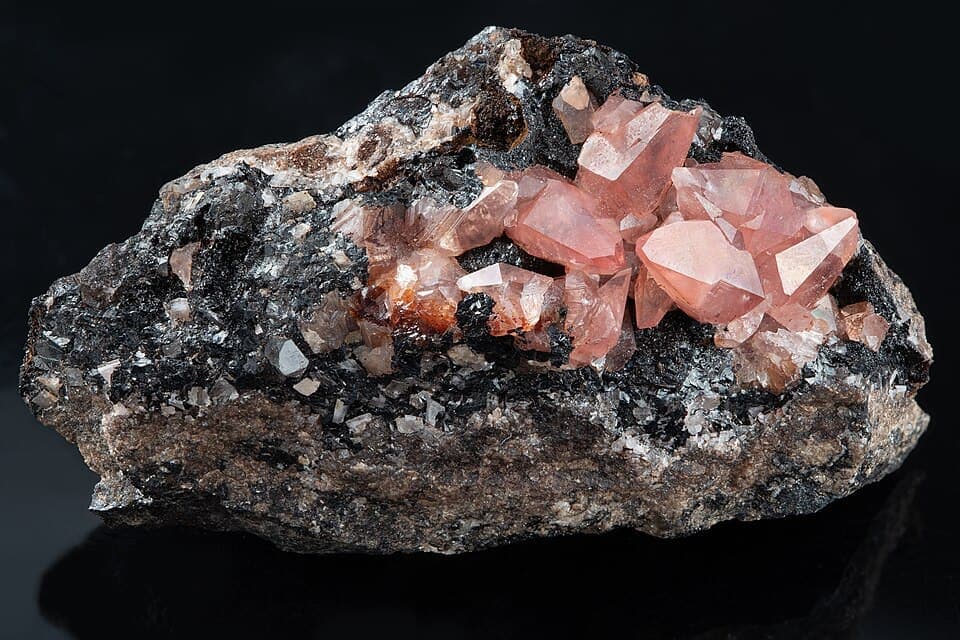
Rhodochrosite
Rhodochrosite
Colorado's state mineral — a raspberry-to-rose-red manganese carbonate, famous for the spectacular red rhombohedral crystals from the Sweet Home Mine near Alma.
Habitat: Ore veins in the central mountains.
FG-0074.02
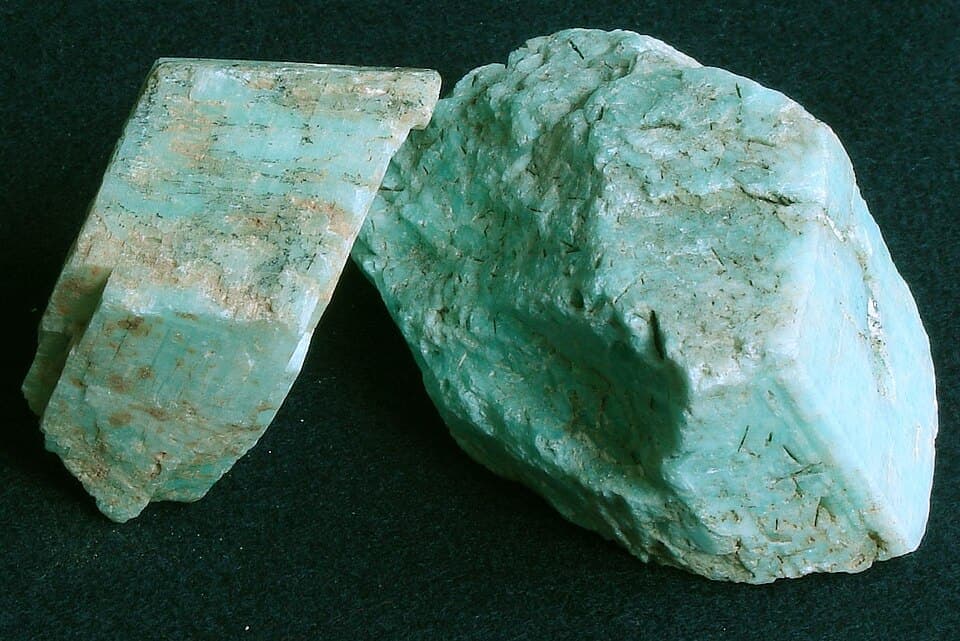
Amazonite
Amazonite
A vivid blue-green variety of feldspar, often found with smoky quartz in the granite pegmatites of Pikes Peak — a classic Colorado pairing.
Habitat: Granite pegmatites, especially the Pikes Peak region.
FG-0074.03
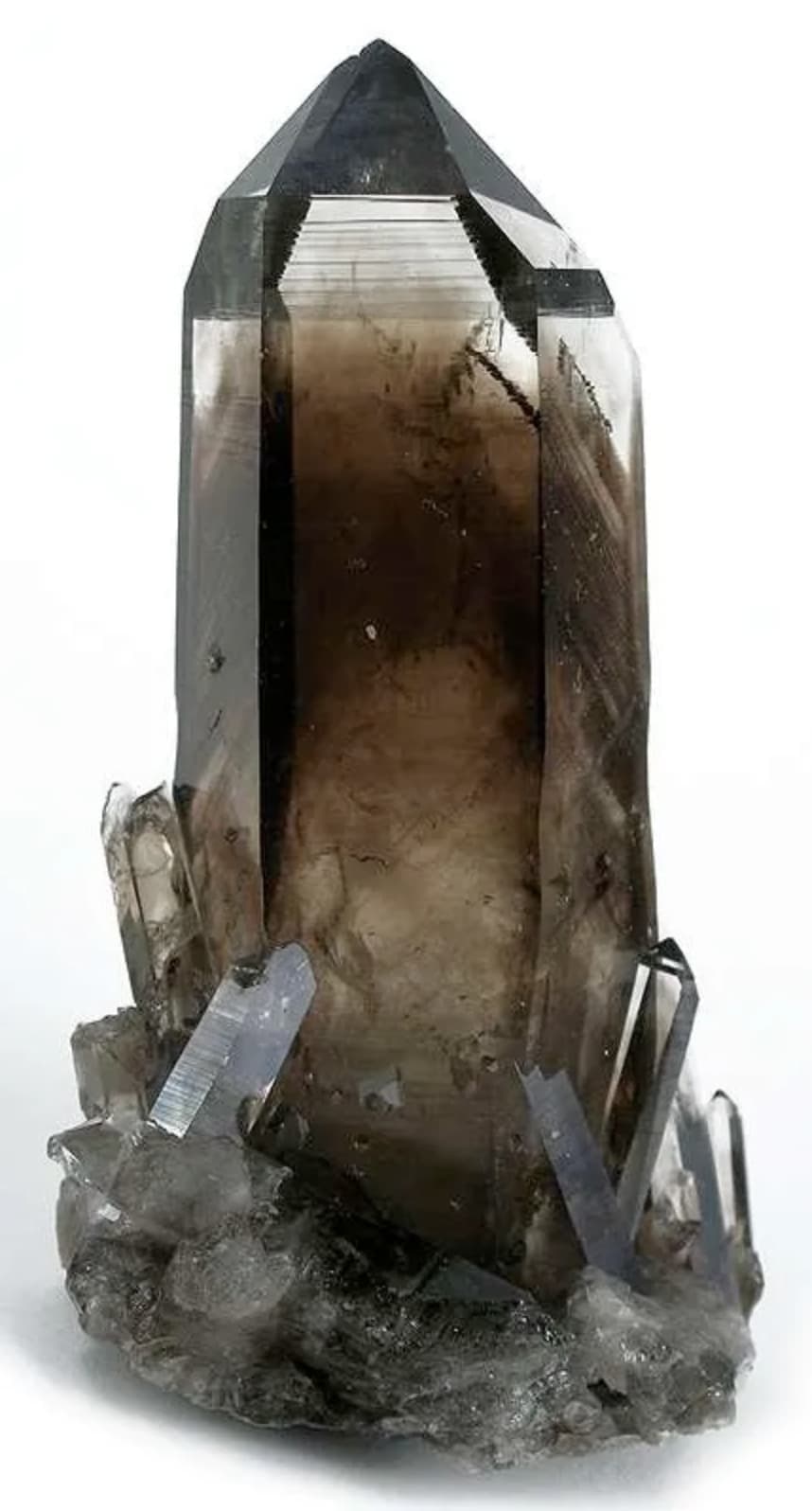
Smoky Quartz
Smoky quartz
A brown-to-near-black variety of quartz with the usual six-sided crystals, commonly grown alongside amazonite in Pikes Peak pegmatites.
Habitat: Granite pegmatites and cavities.
FG-0074.04
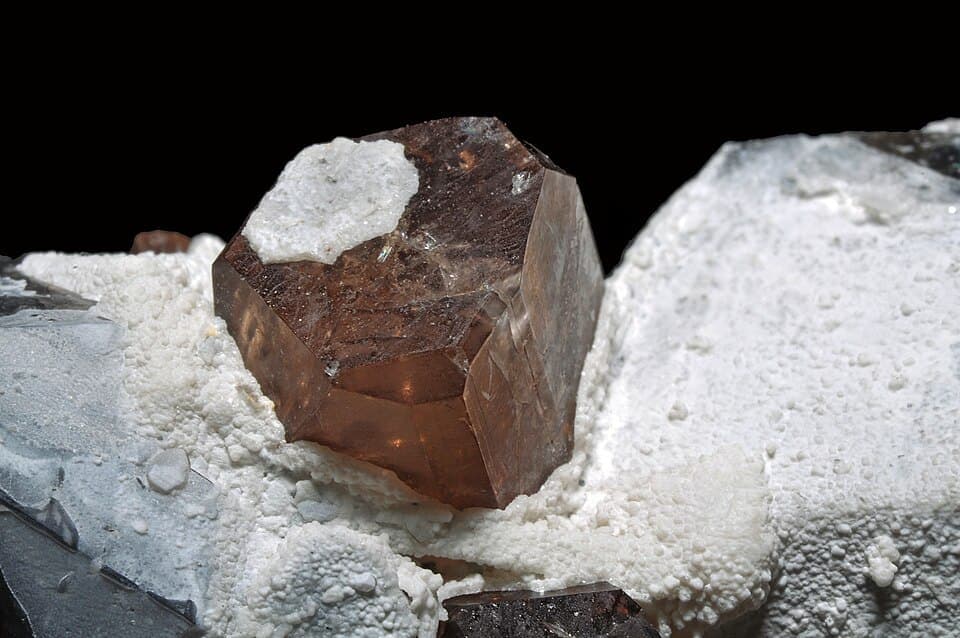
Topaz
Topaz
A hard, glassy gem mineral in colorless, blue, or sherry tones, forming stubby crystals in cavities of the Tarryall and Devils Head pegmatites.
Habitat: Granite pegmatite pockets in the mountains.
FG-0074.05
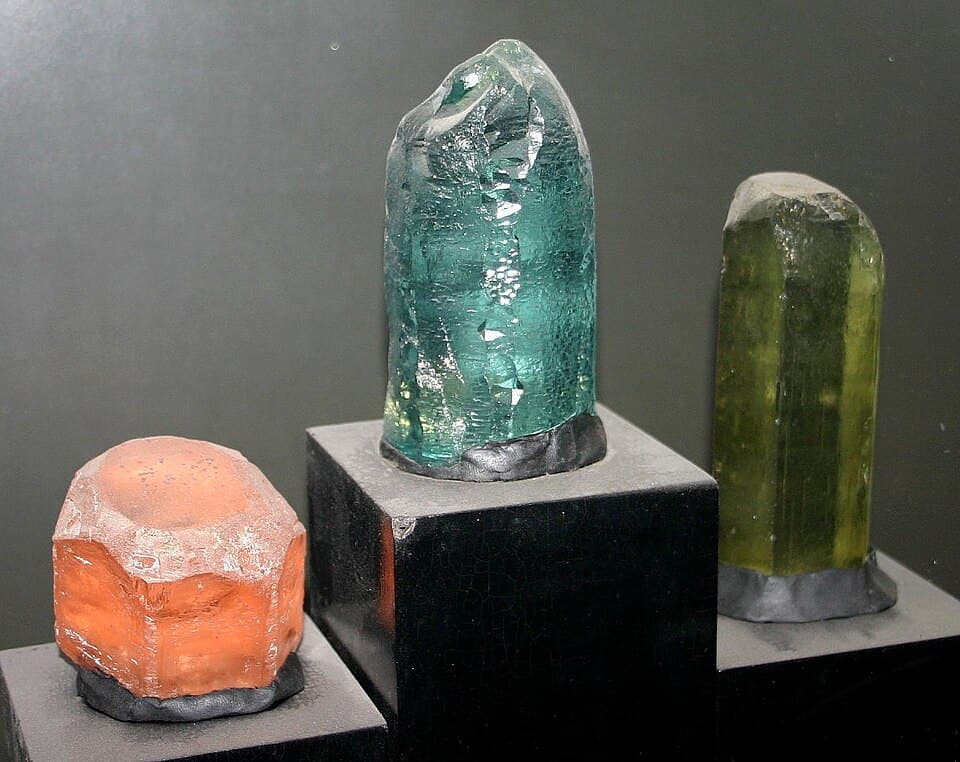
Aquamarine
Beryl
The sky-blue gem variety of beryl, famously collected high on Mount Antero and White Mountain — one of the highest-elevation gem localities in the country.
Habitat: High-altitude granite pegmatites.
FG-0074.06
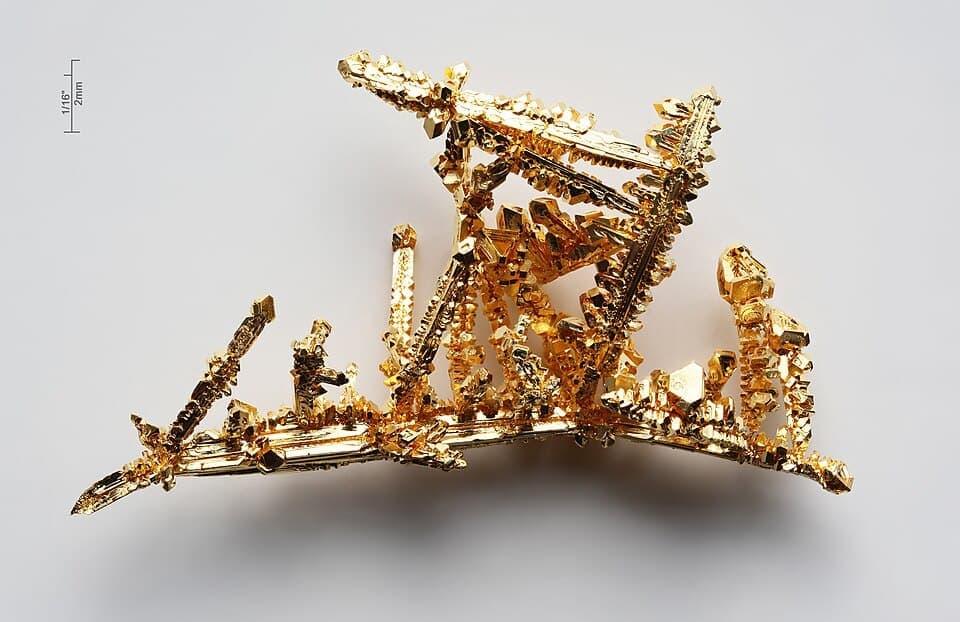
Gold
Gold
The metal that sparked Colorado's mining boom — soft, heavy, and buttery-yellow, found as flakes and nuggets in streams and in veins in the mountains.
Habitat: Stream gravels and quartz veins in the mineral belt.
Through the seasons
- Summer is the practical season — many high pegmatite sites are snowbound much of the year.
- At altitude, pace yourself, carry water, and watch the weather for afternoon storms.
- A gold pan works the gravels of historic districts; check current rules and claims before digging.
Questions
- What is the state mineral of Colorado?
- Rhodochrosite — a rose-red manganese mineral. Colorado's Sweet Home Mine produced some of the finest rhodochrosite crystals ever found, including the famous "Alma King."
- Where can I find aquamarine in Colorado?
- The classic locality is Mount Antero and nearby White Mountain, at very high elevation. It is demanding, weather-exposed collecting — go prepared and know the access rules.
From Field Notes
Not sure what you found?
Take a photo with Spotter for the name, field marks, look-alikes and safety notes in seconds.


In this guide
- Species
- 6
- Region
- Colorado