FG-0007 · Mushroom Foraging · 6 species
Mushroom Foraging in the Pacific Northwest
By Derek Gauger · Updated
Overview
Oregon and Washington are renowned as North America's premier mushroom foraging destinations. The maritime climate — mild, wet winters and dry summers — combined with vast old-growth and second-growth conifer forests creates ideal conditions for hundreds of edible species. The region hosts world-class populations of chanterelles, king boletes (porcini), matsutake, morels, and hedgehog mushrooms.
Foraging is big business and serious recreation in the PNW. Commercial pickers harvest millions of pounds of chanterelles and boletes annually for export. Understanding what to look for, where to look, and how to stay safe is essential — the region also hosts several deadly species including the death cap and destroying angel.
Key species to know
FG-0007.01
Golden Chanterelle
Cantharellus formosus
EdibleOctober–February (coastal); July–November (mountains)
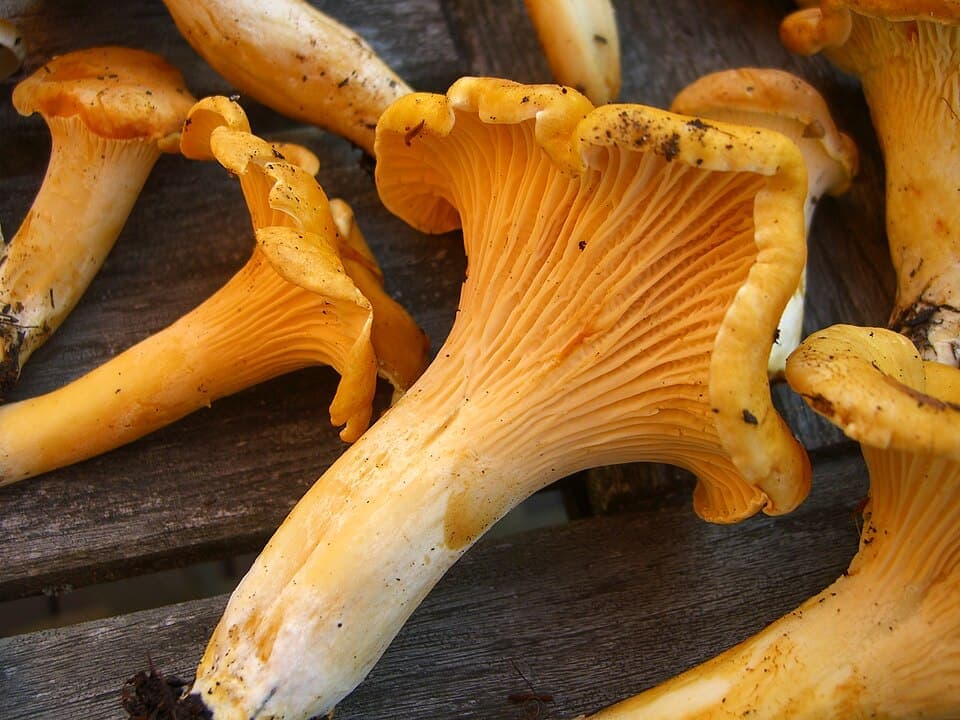
The Pacific golden chanterelle is the iconic PNW edible — egg-yolk yellow with forking wavy ridges (not gills) and a fruity aroma. The most commercially harvested edible mushroom in the region.
Habitat: Douglas fir, Sitka spruce, and hemlock forests; often in mossy areas or near woody debris.
FG-0007.02
King Bolete (Porcini)
Boletus edulis
EdibleLate summer through fall; after first fall rains.
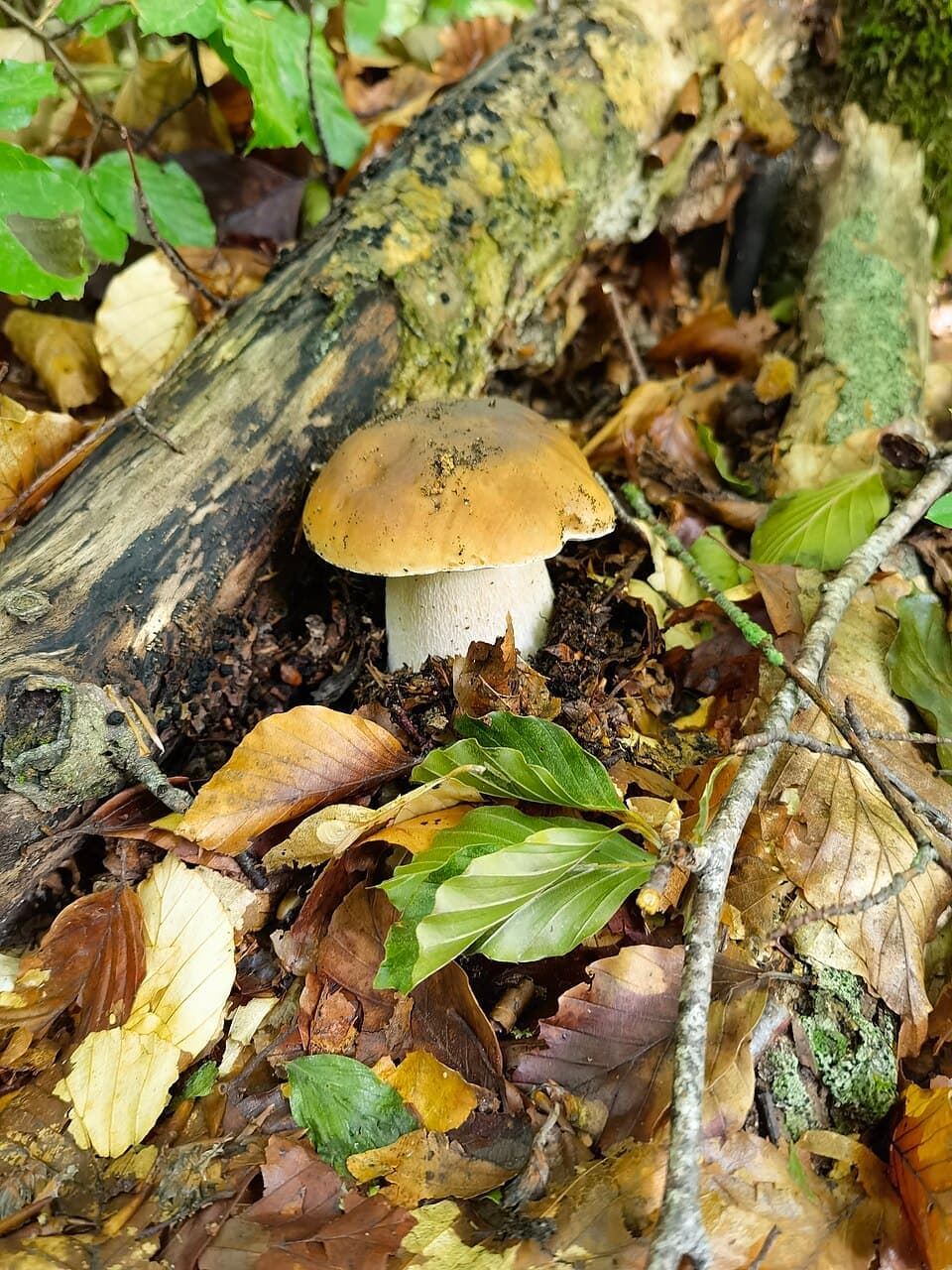
The king of edible mushrooms — a thick brown cap with white to yellow pores (not gills) beneath, and a barrel-shaped tan stem with a white net pattern. Rich, nutty flavor, excellent fresh or dried.
Habitat: Spruce, fir, and pine forests; often at higher elevations in summer.
Avoid any bolete with red pores or a stem that stains blue when cut — these can be toxic. The king bolete has white-to-yellow pores and does not stain blue.
FG-0007.03
Matsutake
Tricholoma magnivelare
EdibleSeptember–November
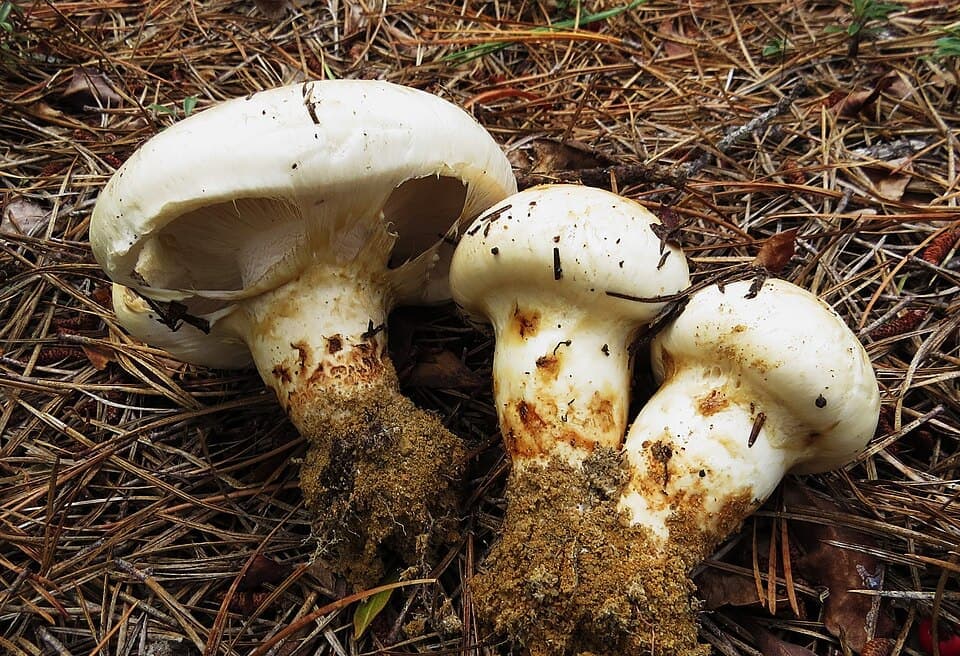
A highly prized mushroom with a distinctive spicy-cinnamon aroma and white to brown cap with a cottony veil. Commands extremely high prices in Asian markets. Protected from commercial picking in some areas.
Habitat: Sandy soils in old-growth pine and fir forests, particularly in the Cascades.
FG-0007.04
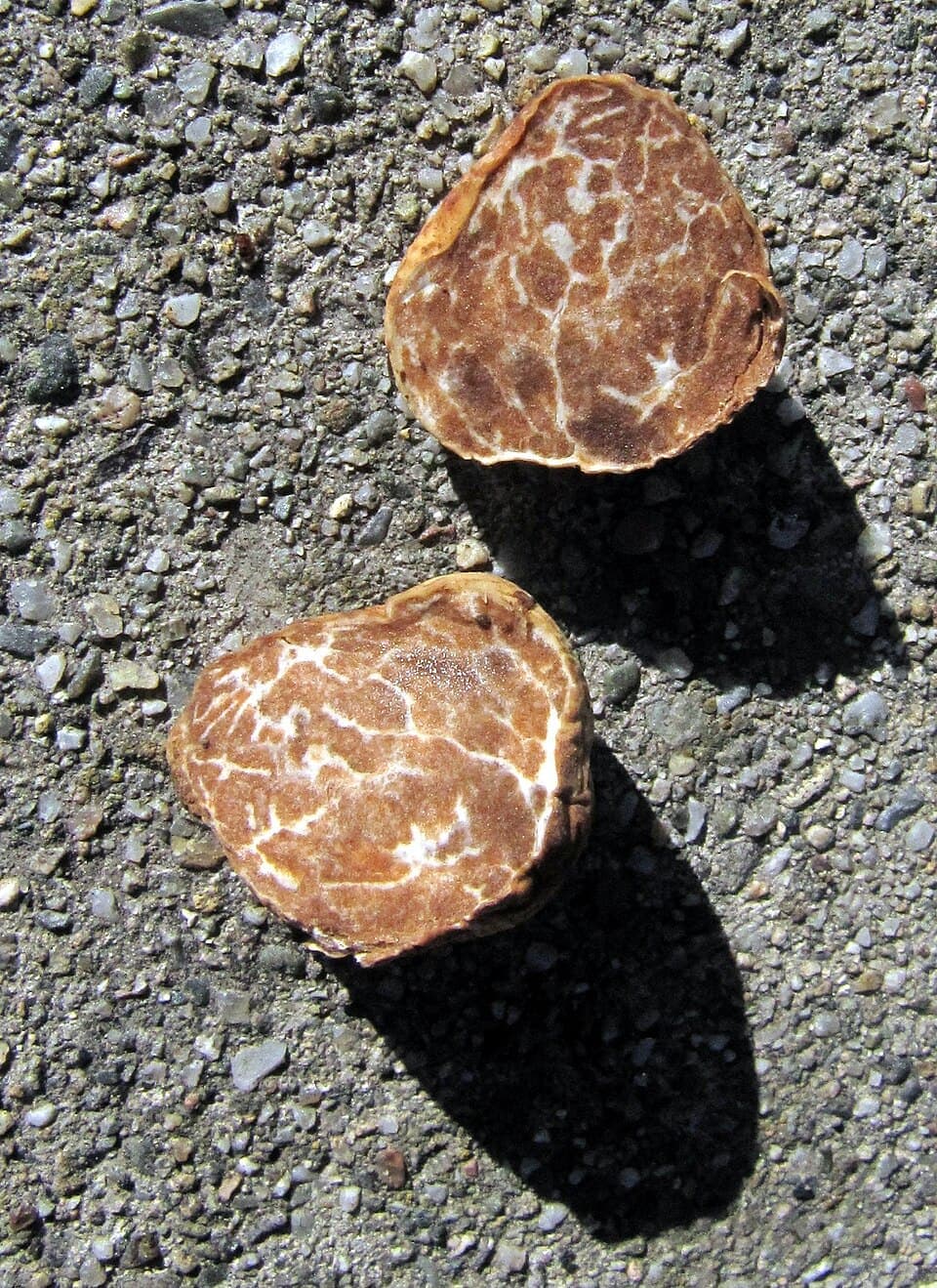
Oregon White Truffle
Tuber oregonense
EdibleNovember–March
A subterranean fungus found just below the soil surface near Douglas fir roots. Complex, garlicky aroma intensifies when ripe. Hunted with trained dogs in the Willamette Valley.
Habitat: Douglas fir forests; found just below the soil surface.
FG-0007.05
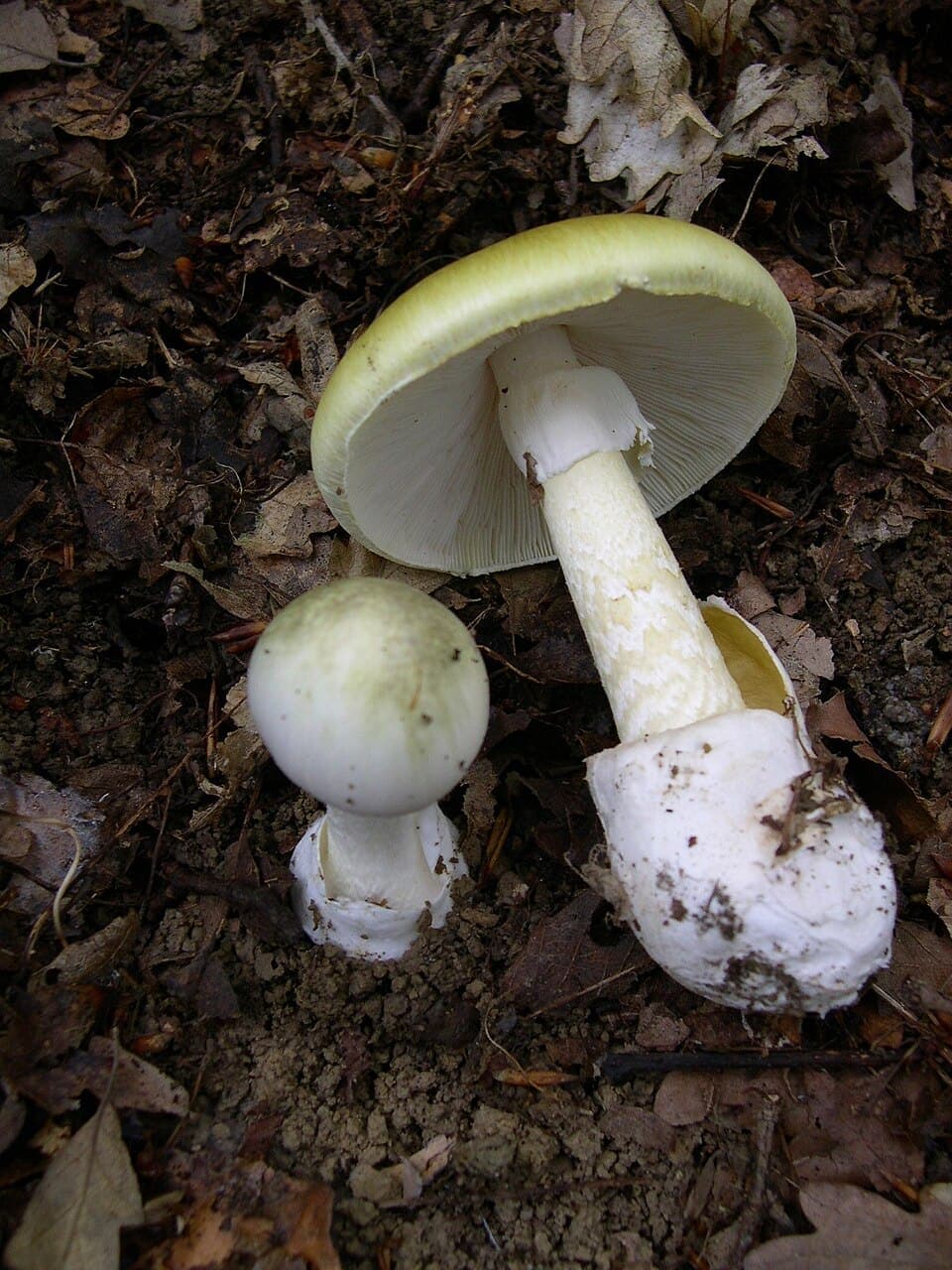
Death Cap
Amanita phalloides
ToxicFall–winter
The world's deadliest mushroom, now established throughout western Oregon and Washington, especially in urban parks and landscapes with European oaks. Pale greenish cap, white gills, ring on stem, cup at base.
Habitat: Near oaks, especially European oaks planted in urban areas; increasing range.
DEADLY. Contains amatoxins causing delayed liver failure. Symptoms appear 6–24 hours after eating. Responsible for multiple deaths in the PNW. Never eat white or greenish Amanita mushrooms.
FG-0007.06
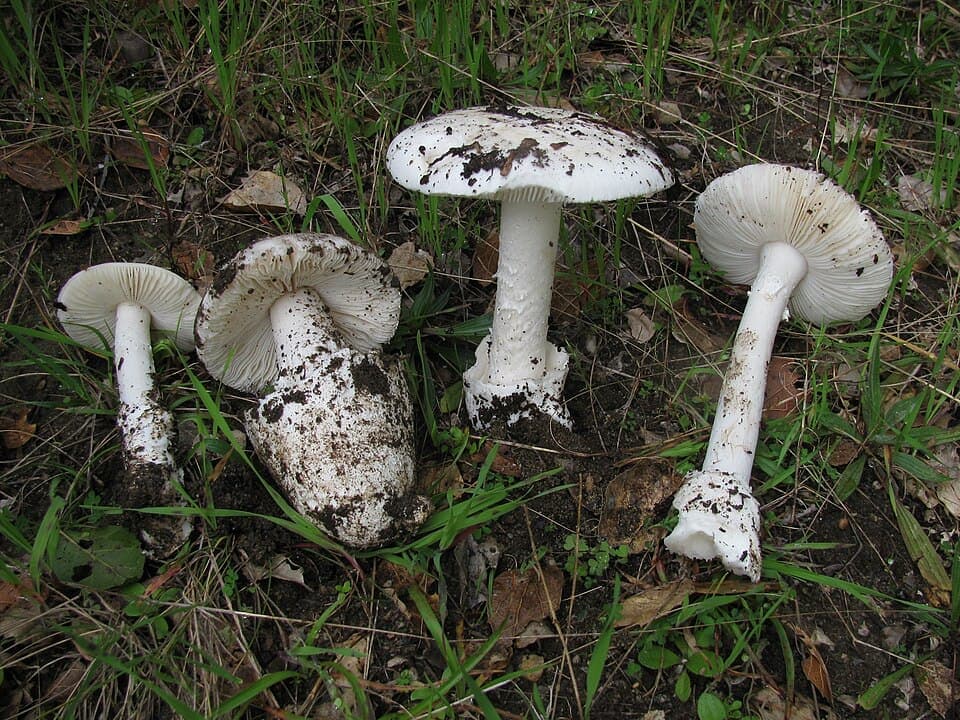
Western Destroying Angel
Amanita ocreata
ToxicFebruary–May
An all-white mushroom found in spring near oaks. Every bit as deadly as the death cap, also containing amatoxins.
Habitat: Oak woodlands and chaparral; spring fruiting distinguishes it from death cap.
DEADLY. All-white Amanita species should be treated as deadly unless expert-verified. Never eat any all-white mushroom.
Through the seasons
- September–October: First fall rains trigger chanterelles at lower coastal elevations.
- October–December: Peak chanterelle and hedgehog season in the Coast Range.
- November–January: Oyster mushrooms appear on alder and cottonwood logs.
- April–June: Post-fire areas can produce outstanding morel flushes — check burn maps from previous year.
Questions
- Do I need a permit to forage mushrooms in Oregon national forests?
- Personal-use foragers (up to 1 gallon per day on most national forests) generally do not need a permit. Commercial harvesting requires a permit. Rules vary by forest — check with the local ranger district.
- What is the best time to find chanterelles in Oregon?
- Coastal chanterelles start appearing after the first soaking rains in October and peak through December. In the Cascades and Coast Range, the window runs September through November at mid-elevations.
- How do I avoid eating a death cap in the Pacific Northwest?
- Death caps are pale greenish-white, have white gills, a ring on the stem, and a cup-like volva at the base. They grow near oak trees. Never eat any Amanita mushroom unless confirmed by a mycologist. The Spotter AI can help identify features, but always get expert confirmation for Amanita species.
From Field Notes
- What Is the All-White Mushroom in My Yard? Identifying the Deadly Destroying Angel
- What Is the Golden Trumpet-Shaped Mushroom? Identifying Chanterelles (and Their Look-Alikes)
- What Is the Mushroom With a Spongy Underside Instead of Gills? Meet the Boletes
- What Is the White Icicle-Like Mushroom Growing on a Tree? Identifying Lion’s Mane
Not sure what you found?
Take a photo with Spotter for the name, field marks, look-alikes and safety notes in seconds.


In this guide
- Species
- 6
- Edible
- 4
- Toxic
- 2
- Region
- Pacific Northwest