FG-0075 · Rocks & Minerals · 6 species
Rocks and Minerals of California
By Derek Gauger · Updated
Overview
California's geology gave the country the Gold Rush and a remarkable mineral variety, from the gem tourmalines of San Diego County to jade on the Big Sur coast and the state's own unique blue gem, benitoite. Its rocks tell the story of a colliding plate margin.
This guide covers common and iconic California minerals — how to recognize them by color, luster, and form. Photograph your specimen from a couple of angles and use the app to help confirm what you have found.
Key species to know
FG-0075.01
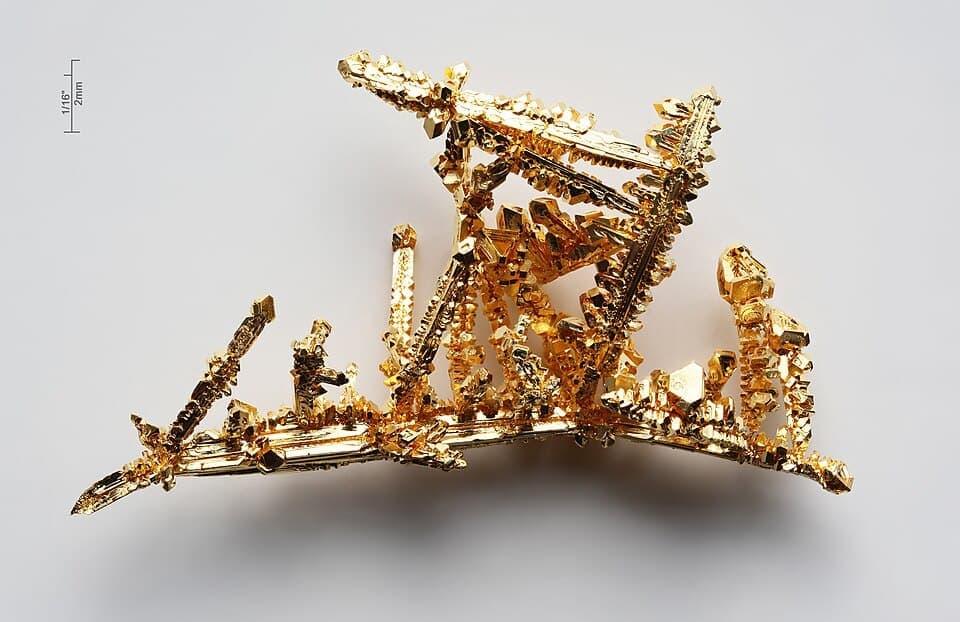
Gold
Gold
California's state mineral and the spark of the 1849 Gold Rush — soft, heavy, buttery-yellow metal found as flakes and nuggets in Sierra streams and quartz veins.
Habitat: Sierra Nevada stream gravels and gold-quartz veins.
FG-0075.02
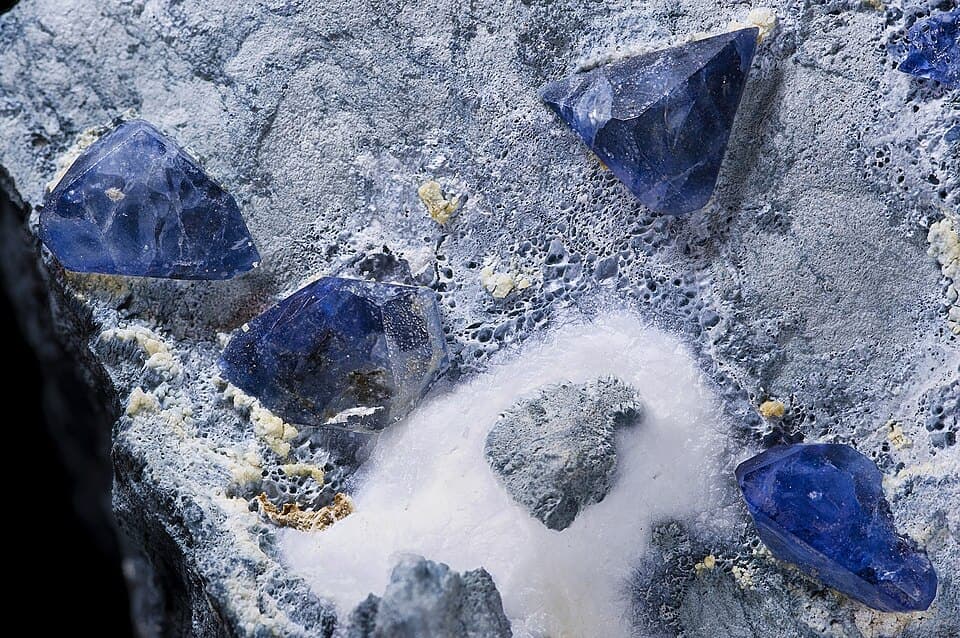
Benitoite
Benitoite
California's state gem — a rare, brilliant sapphire-blue mineral that fluoresces bright blue under UV light. Found in gem quality essentially only in San Benito County.
Habitat: Serpentinite-hosted deposits in San Benito County.
FG-0075.03
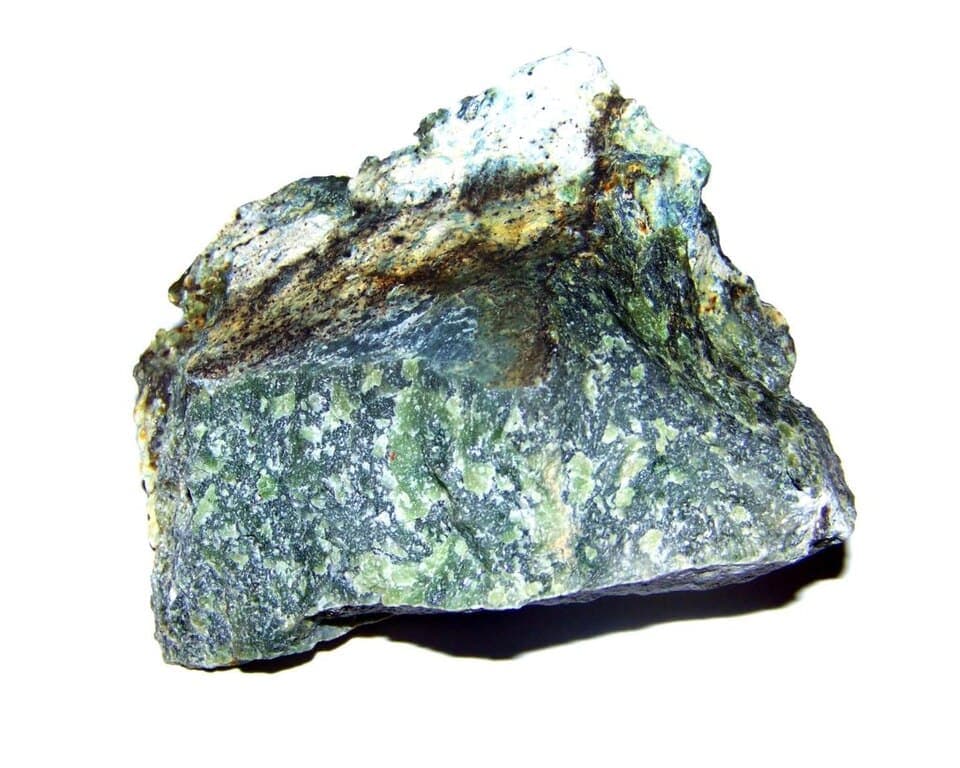
Jade (Nephrite)
Nephrite
A tough, waxy green stone prized for carving, famously collected as beach and cove cobbles along the Big Sur coast at Jade Cove.
Habitat: Coastal outcrops and beach cobbles, especially Big Sur.
FG-0075.04
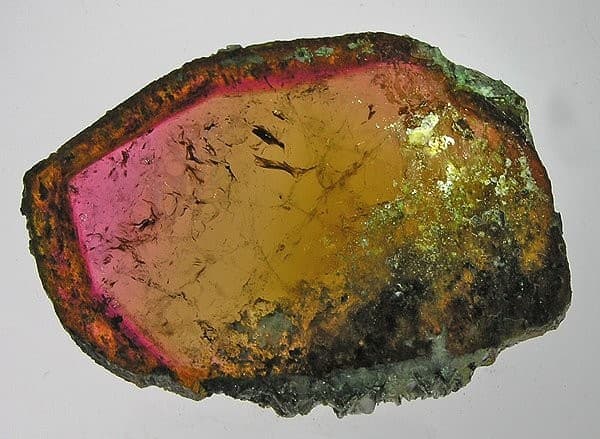
Tourmaline
Tourmaline
A gem mineral forming long, striated crystals in pink, green, and "watermelon" color zones, from the world-famous pegmatite mines of San Diego County.
Habitat: Granite pegmatites, notably in San Diego County.
FG-0075.05
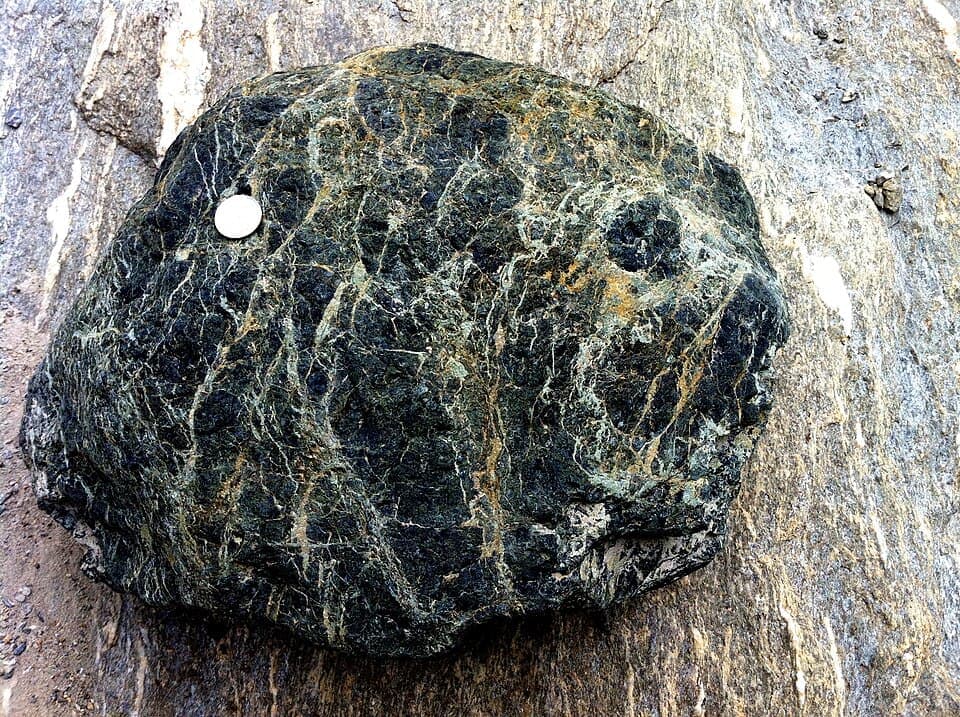
Serpentine
Serpentinite
California's state rock — a slick, greenish, often mottled metamorphic rock, sometimes soapy to the touch, that marks ancient ocean-floor and fault zones.
Habitat: Fault zones and the Coast Ranges statewide.
FG-0075.06
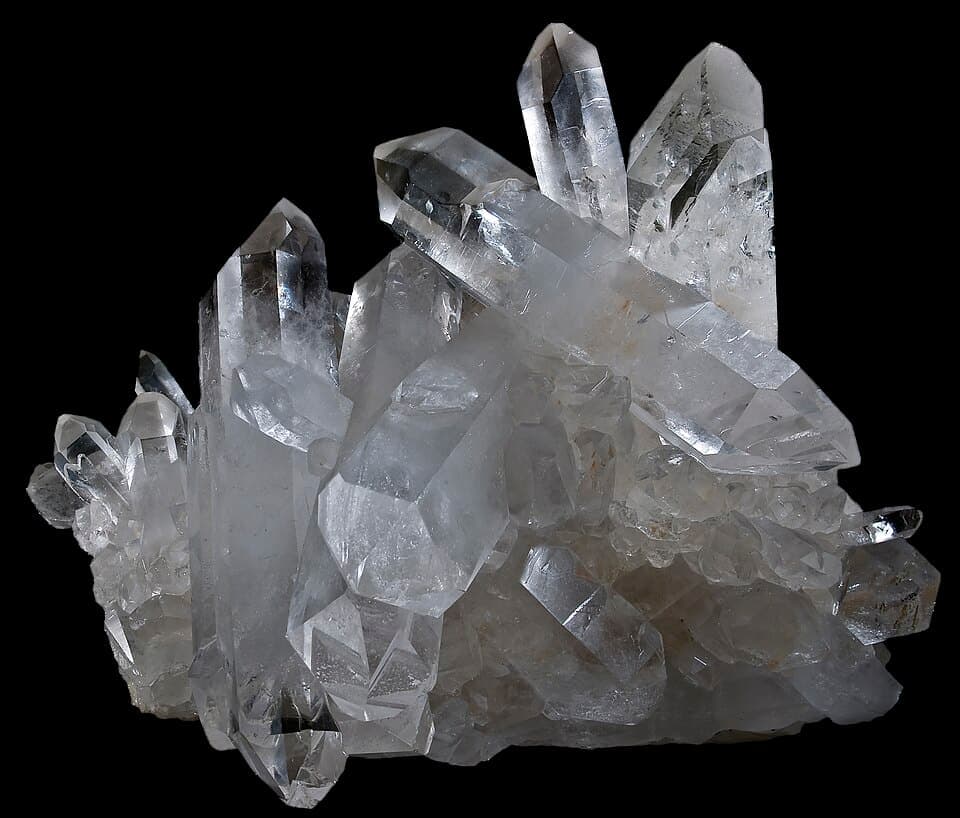
Quartz
Quartz
The common glassy, hard mineral that hosts much of California's gold. Clear to white, with six-sided crystals and curved, shell-like fractures.
Habitat: Veins, granite, and stream gravels throughout the state.
Through the seasons
- Coastal jade hunting is best at low tide, especially after winter storms churn up fresh cobbles.
- Gold panning is a Sierra tradition — check current rules, claims, and access before working any stream.
- Carry a UV light to spot the striking blue fluorescence of benitoite.
Questions
- What is the state gem of California?
- Benitoite — a rare, brilliant blue mineral found in gem quality almost exclusively in San Benito County. It glows bright blue under ultraviolet light.
- Can I still find gold in California?
- Yes — recreational panning still turns up flakes and small nuggets in many Sierra streams, though most productive ground is claimed. Always check current regulations and claim status before working a stream.
From Field Notes
Not sure what you found?
Take a photo with Spotter for the name, field marks, look-alikes and safety notes in seconds.


In this guide
- Species
- 6
- Region
- California