FG-0054 · Wild Plants · 6 species
Identifying Trees in Texas
By Derek Gauger · Updated
Overview
Texas is so large that its trees range from eastern pine forest to Hill Country oak-juniper to West Texas desert. That variety means a handful of leaf, bark, and shape clues go a long way toward naming what you find.
This guide covers common and iconic Texas trees — how to tell them apart by leaf, bark, and habit. Pair it with a photo of the leaf or bark and the app to confirm any tree you find.
Key species to know
FG-0054.01
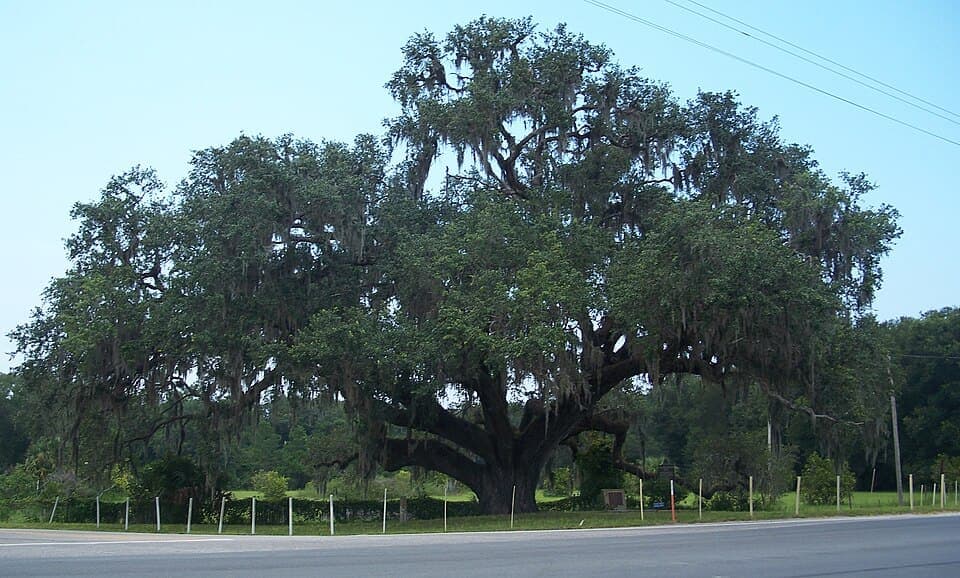
Southern Live Oak
Quercus virginiana
A massive, spreading evergreen oak with small, leathery oval leaves and wide, low limbs. A defining shade tree of Texas towns and the coastal plain.
Habitat: Coastal plain, central Texas, parks, and old town squares.
FG-0054.02
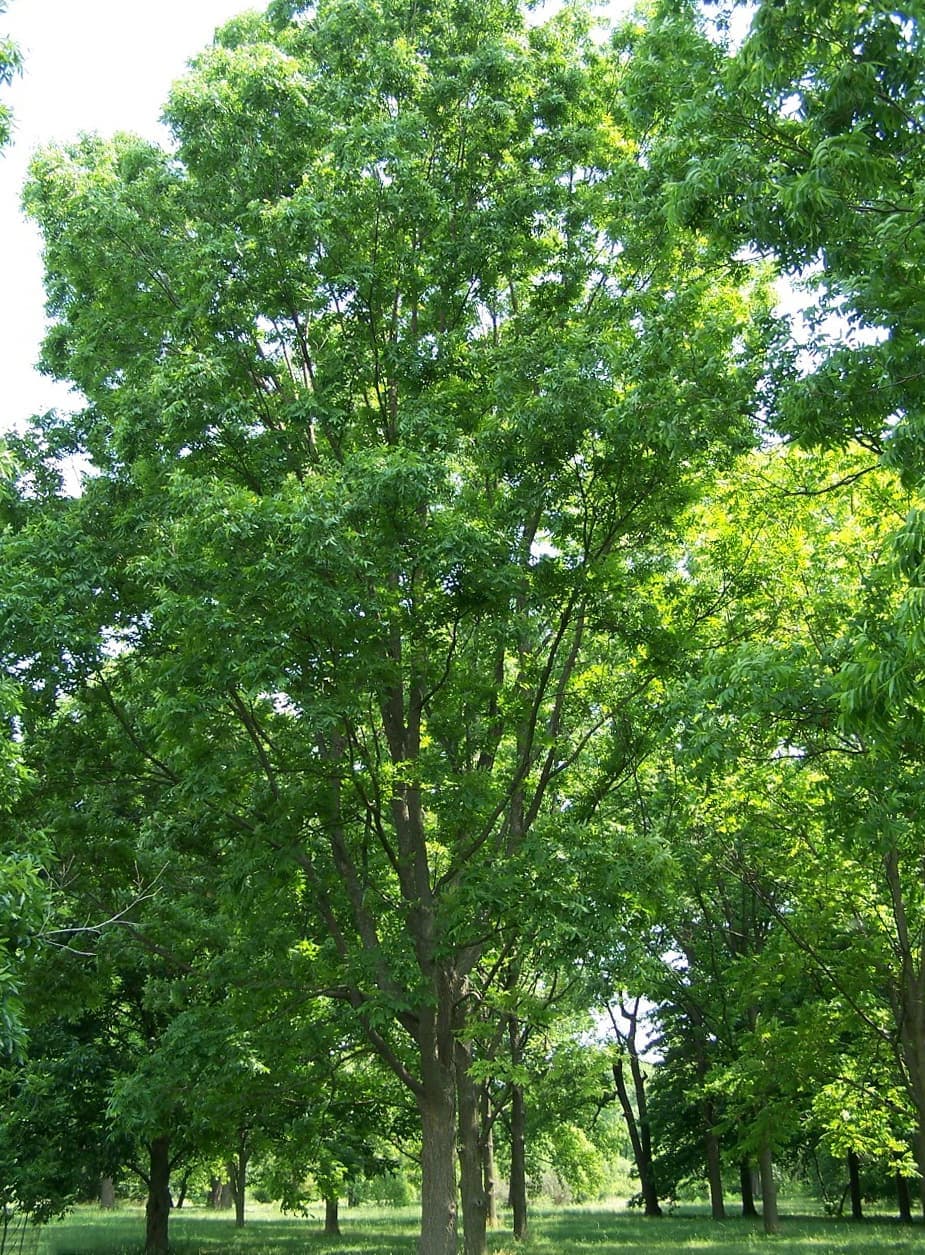
Pecan
Carya illinoinensis
The Texas state tree — a tall hickory with long compound leaves and thin husked nuts. Native along rivers and widely planted for shade and its crop.
Habitat: River bottoms, floodplains, and yards statewide.
FG-0054.03
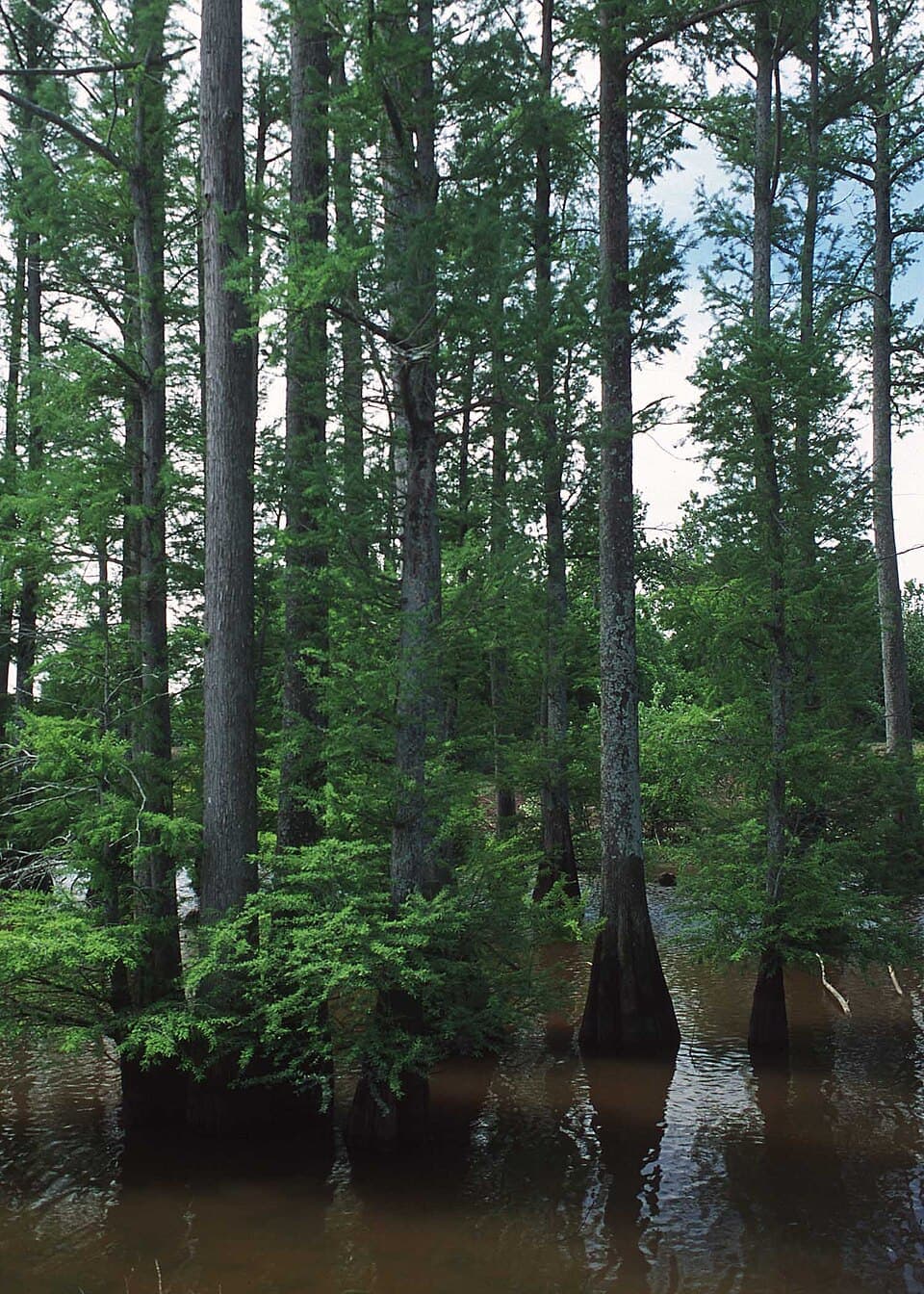
Bald Cypress
Taxodium distichum
A deciduous conifer of southern rivers with feathery needles that turn rusty in fall and distinctive "knees" rising around its buttressed base.
Habitat: River banks, spring-fed creeks, and swamps.
FG-0054.04
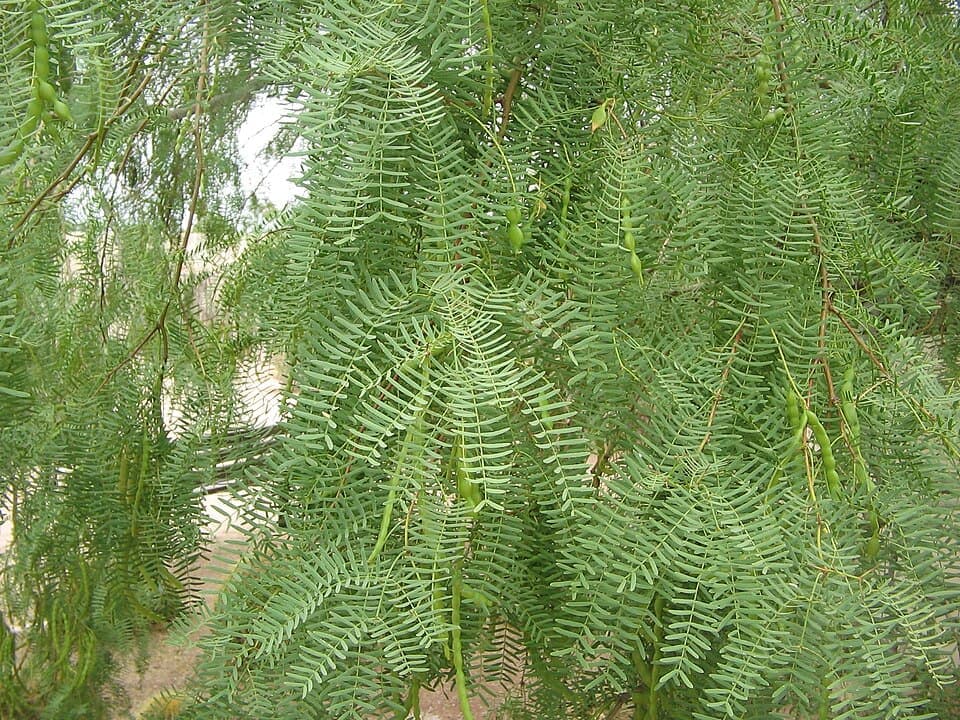
Honey Mesquite
Prosopis glandulosa
A small, thorny tree with lacy, twice-divided leaves and long seed pods, casting light shade over dry rangeland. Deep-rooted and drought-hardy.
Habitat: Rangeland, brush country, and dry plains.
FG-0054.05
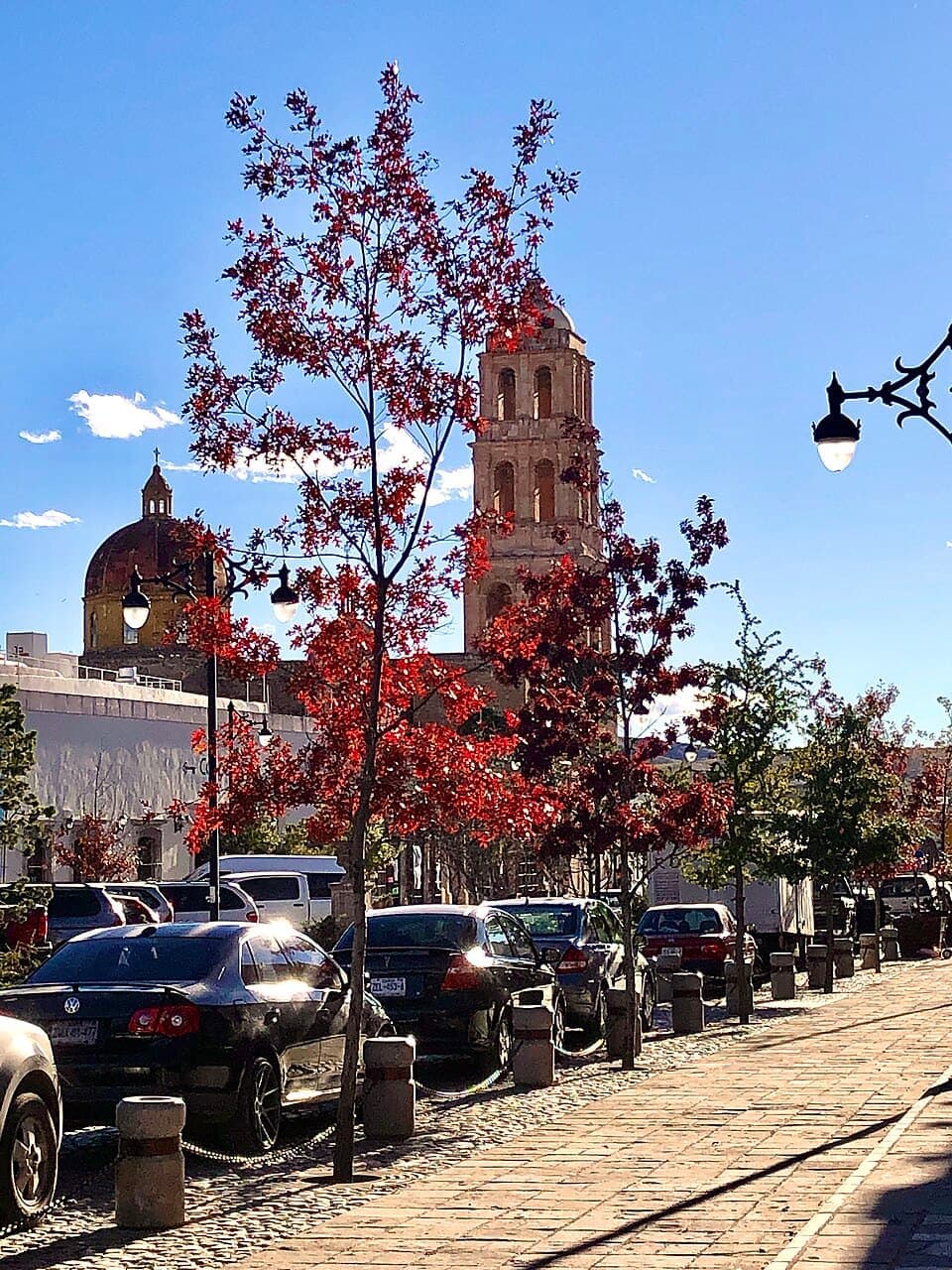
Shumard Oak
Quercus shumardii
A large red oak with deeply lobed, bristle-tipped leaves that turn red in fall. A common shade and street tree across central and eastern Texas.
Habitat: Rich bottomlands, uplands, and urban plantings.
FG-0054.06
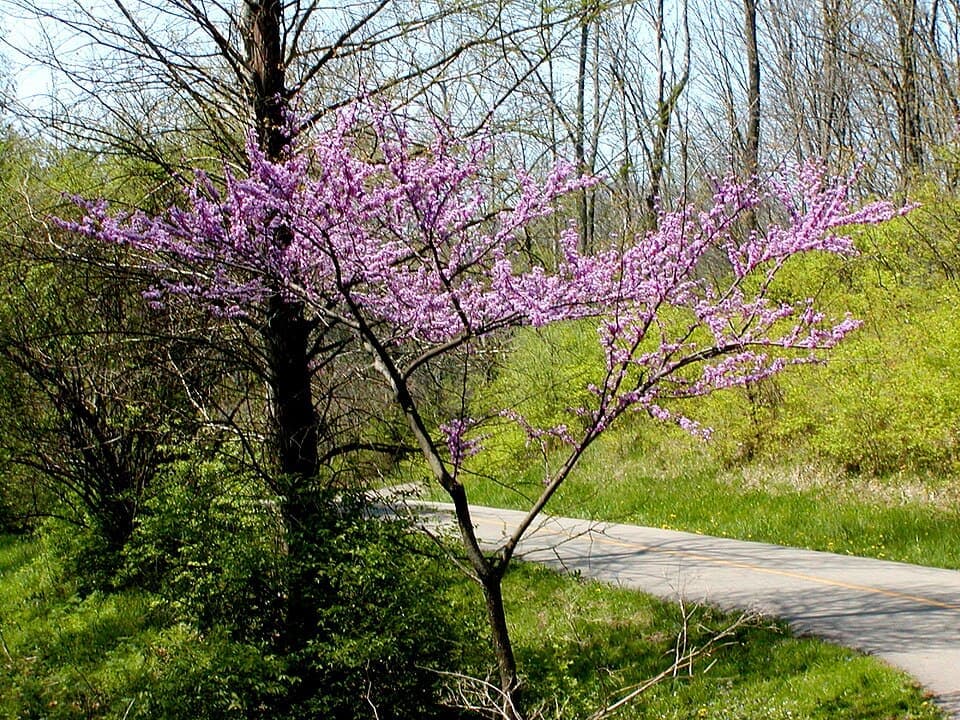
Eastern Redbud
Cercis canadensis
A small tree with heart-shaped leaves that bursts into rosy-pink pea flowers directly on bare branches in early spring, before leafing out.
Habitat: Woodland edges, canyons, and understory in central and east Texas.
Through the seasons
- Spring: redbud flowers on bare branches — the easiest time to spot it.
- Summer: evergreen live oak stands out darker against deciduous greens.
- Fall: bald cypress and Shumard oak turn rusty and red along the rivers.
Questions
- What is the state tree of Texas?
- The pecan — a native river-bottom hickory prized for both shade and its nut crop, adopted as the state tree in 1919.
- How can I identify a tree in Texas?
- Note the leaf shape, bark, and overall form, then take a photo of the leaves or bark and use an app like Spotter to confirm the species.
From Field Notes
Not sure what you found?
Take a photo with Spotter for the name, field marks, look-alikes and safety notes in seconds.


In this guide
- Species
- 6
- Region
- Texas