FG-0028 · Wildflowers · 6 species
Wildflowers of Texas
By Derek Gauger · Updated
Overview
Texas is famous for its spring wildflowers, and the state has planted and protected them along its highways for nearly a century. Peak bloom rolls across the state from south to north, usually from late March into May, led by the beloved bluebonnet.
The Hill Country around Fredericksburg, Ennis, and the Willow City Loop are classic wildflower drives. Bluebonnets are the state flower, and while it is not illegal to pick them, trampling roadside displays is discouraged.
Key species to know
FG-0028.01
Texas Bluebonnet
Lupinus texensis
ToxicMarch–May
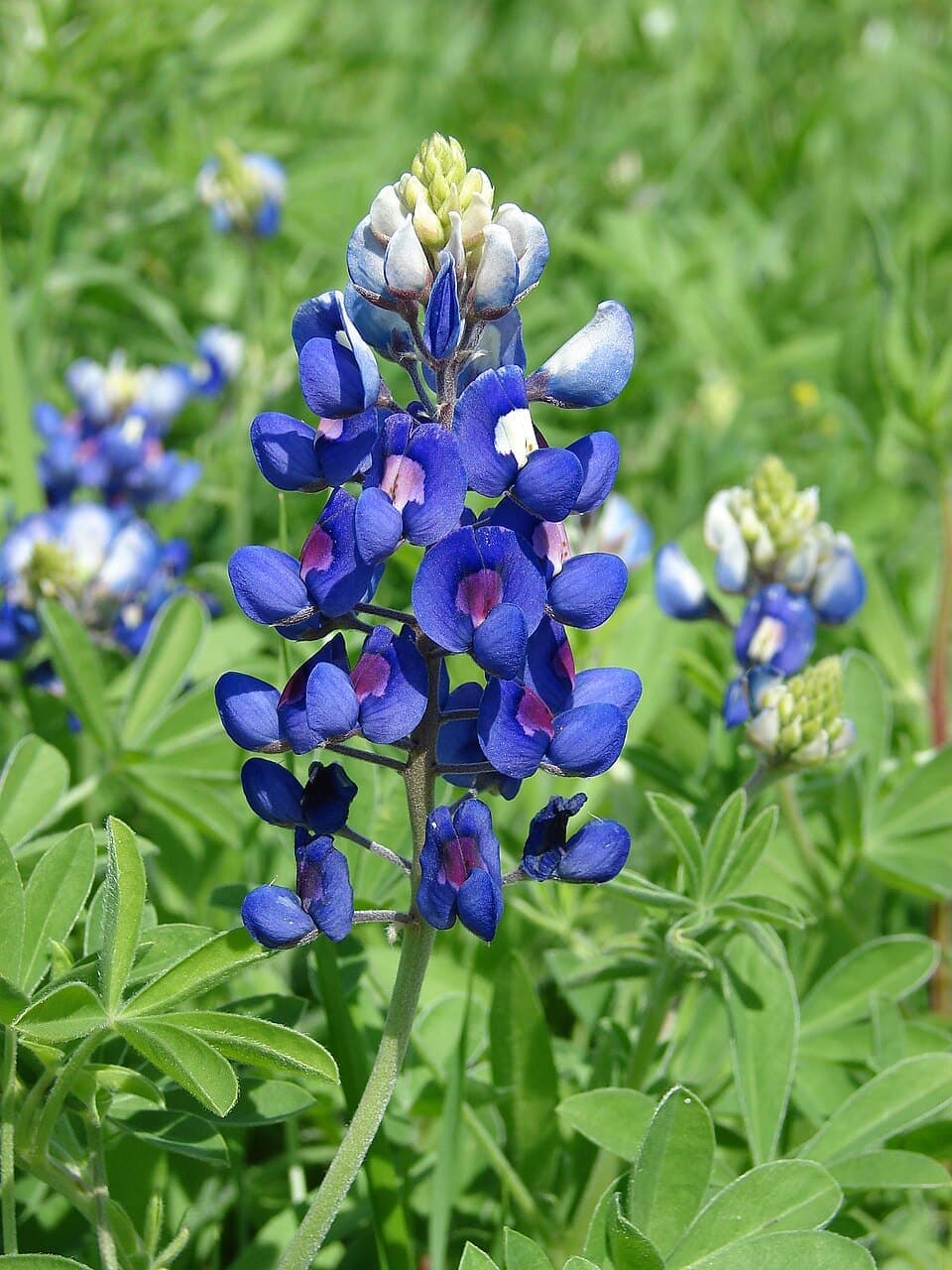
Texas's state flower — spikes of deep-blue pea flowers tipped with white, blanketing fields and roadsides each spring. The signature bloom of Texas wildflower season.
Habitat: Roadsides, pastures, and open fields, especially in central Texas.
Bluebonnets are lupines and contain toxic alkaloids. Do not eat any part of the plant.
FG-0028.02
Indian Paintbrush
Castilleja indivisa
March–May
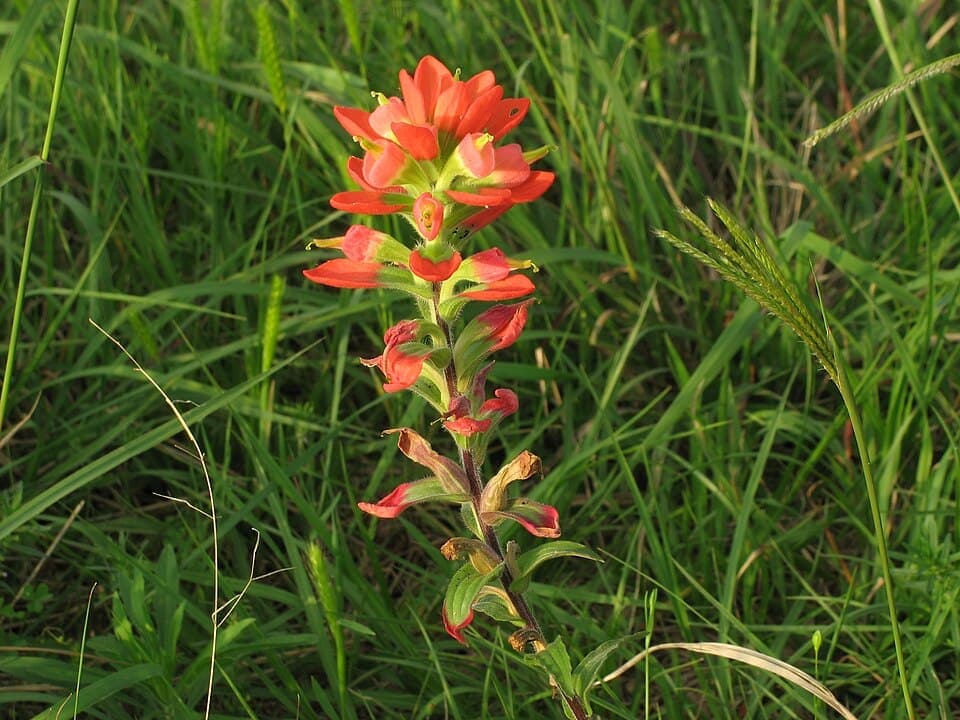
Scarlet-orange brush-like bracts that often bloom right alongside bluebonnets for a striking red-and-blue display. A partial root parasite of neighboring plants.
Habitat: Grassland, roadsides, and open woods across central and eastern Texas.
FG-0028.03
Indian Blanket
Gaillardia pulchella
April–July
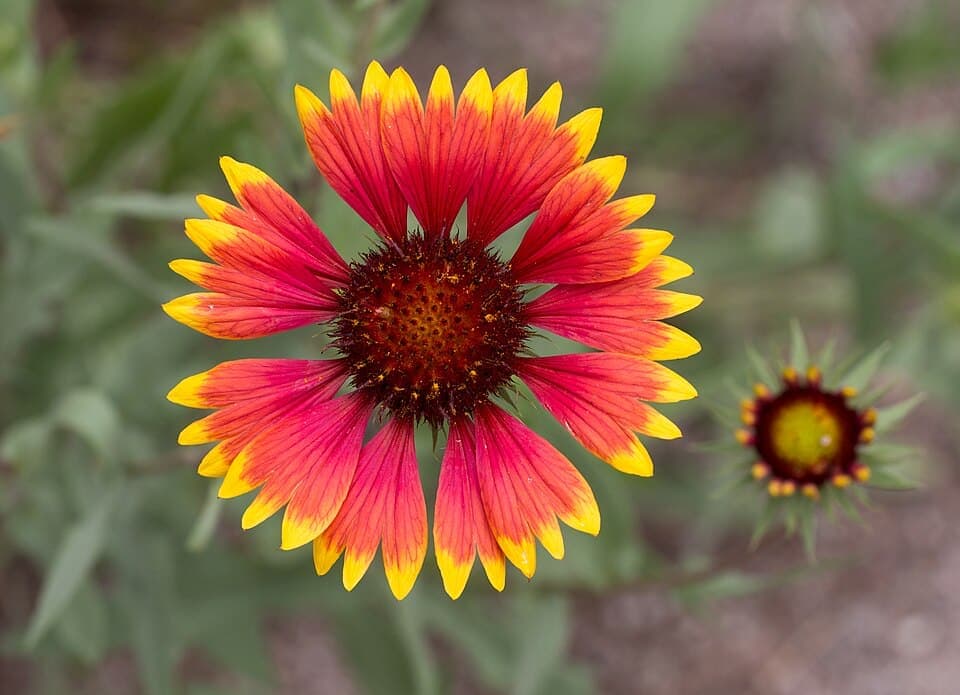
A daisy-like flower with red petals tipped in yellow, resembling a woven blanket. Also called firewheel; blooms through late spring and summer heat.
Habitat: Prairies, roadsides, and sandy open ground statewide.
FG-0028.04
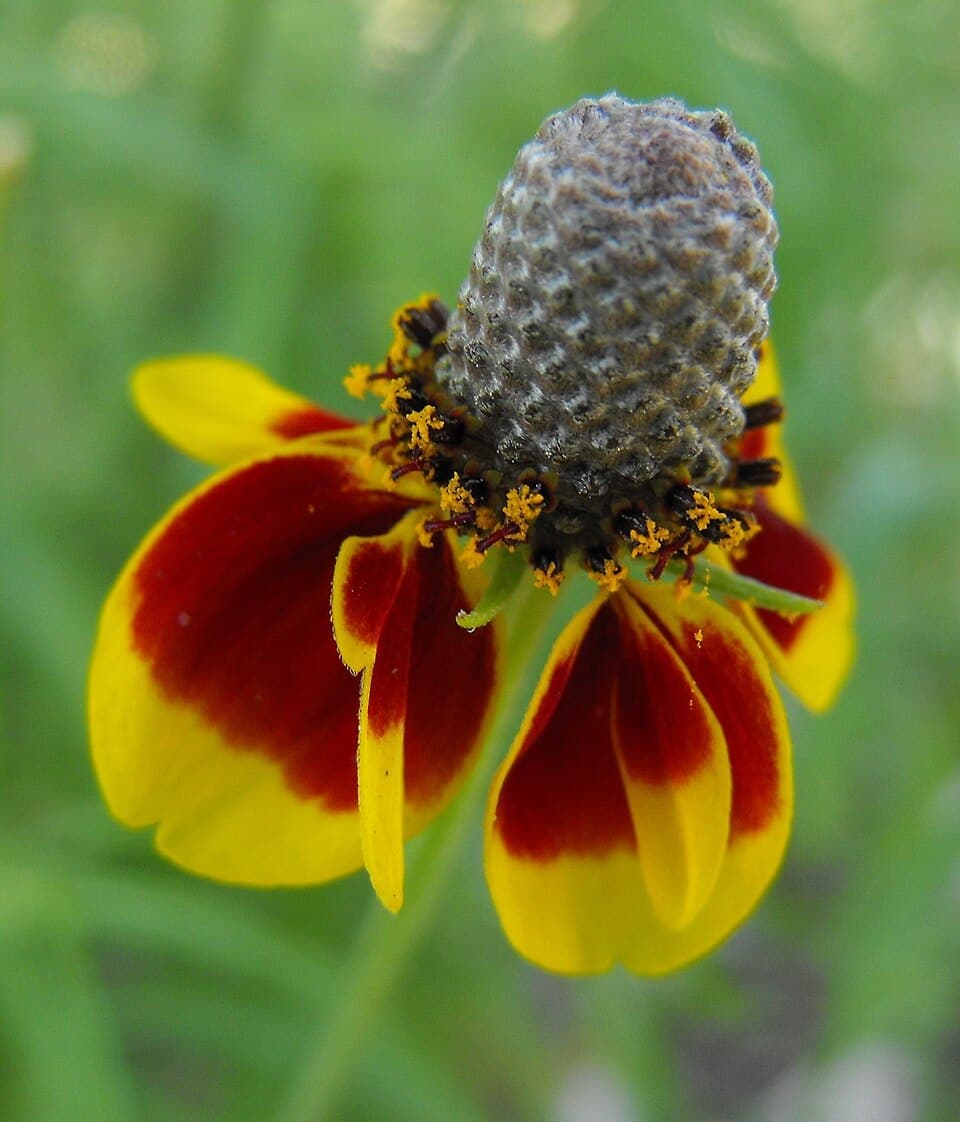
Mexican Hat
Ratibida columnifera
May–October
A distinctive coneflower with drooping red-and-yellow petals below a tall central "sombrero" cone. Long-blooming and drought-tolerant.
Habitat: Prairies, roadsides, and disturbed ground across the state.
FG-0028.05
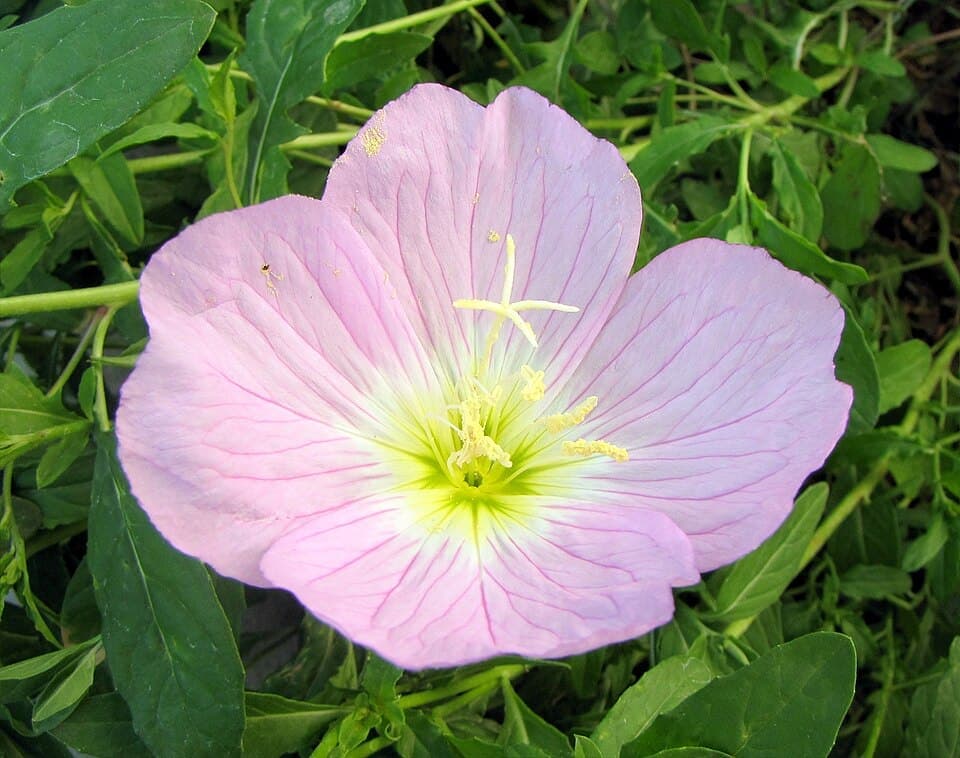
Pink Evening Primrose
Oenothera speciosa
March–June
Cup-shaped pale-pink flowers with yellow centers, often carpeting roadside fields. Also called buttercups locally; opens in the cool of evening and morning.
Habitat: Roadsides, meadows, and disturbed ground statewide.
FG-0028.06
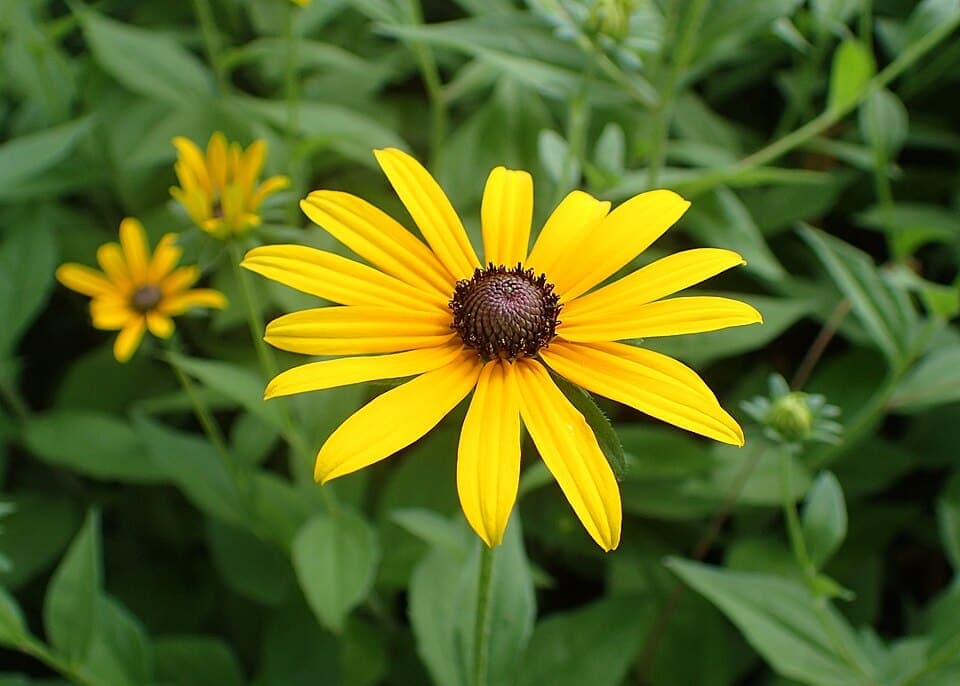
Black-eyed Susan
Rudbeckia hirta
May–September
A golden-yellow daisy with a dark central dome, common along roadsides and in meadows through summer. Cheerful and long-lasting.
Habitat: Prairies, roadsides, and open fields across eastern and central Texas.
Through the seasons
- Late March–April: Bluebonnet peak across the Hill Country and central Texas.
- April–May: Paintbrush, primrose, and firewheels join for mixed roadside displays.
- Summer: Indian blanket and Mexican hat carry the bloom through the heat.
- Bloom timing shifts north through the state and depends on fall and winter rain.
Questions
- When do Texas bluebonnets bloom?
- Bluebonnets typically peak from late March into April, earlier in South Texas and later farther north. Timing depends heavily on fall and winter rainfall.
- Is it illegal to pick bluebonnets in Texas?
- It is a myth that picking bluebonnets is illegal, but it is discouraged, and trespassing or trampling roadside displays can bring trouble. Enjoy and photograph them, and leave them to reseed for next spring.
From Field Notes
- How to Identify Wildflowers on the Trail: A Practical Guide
- What Is the Tall Pink-Purple Wildflower Buzzing With Butterflies in Late Summer? Identifying Joe-Pye Weed
- What Is the White, Ghostly Plant With No Leaves? Indian Pipe (Ghost Plant)
- What Is the Purple Daisy-Like Wildflower Blooming in Fall? Identifying Asters
Not sure what you found?
Take a photo with Spotter for the name, field marks, look-alikes and safety notes in seconds.


In this guide
- Species
- 6
- Edible
- 0
- Toxic
- 1
- Region
- Texas